Advertisement








When should a housing society in Mumbai start considering re...
From GST on JDAs to SEBI’s REIT reclassification and the S...
Stay ahead in the world of real estate with our daily podcas...
Stay ahead in the world of real estate with our daily podcas...
Bessco Power Pvt. Ltd. and Renergo Developers Pvt. Ltd. have formed a strategic joint venture to develop 1,000 MW of renewable energy projects in India and Nepal over the next 18-24 months. The partnership will mainly focus on utility-scale solar projects while exploring emerging sectors such as green hydrogen, compressed biogas (CBG), and green ammonia. By combining development expertise and strategic execution platforms, the companies aim to accelerate clean energy deployment, contribute to sustainable economic growth, and create a diversified renewable energy portfolio aligned with the region's energy transition goals.
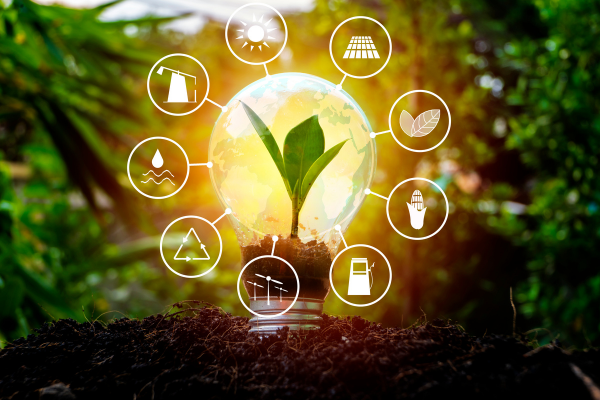
Bessco Power Pvt. Ltd. and Renergo Developers Pvt. Ltd. have announced a strategic collaboration to develop 1,000 MW of renewable energy projects across India and Nepal within the next 18–24 months. The partnership is set to focus primarily on utility-scale solar energy while also exploring emerging areas like compressed biogas (CBG), green hydrogen, and green ammonia.
Advertisement


The initiative comes at a time when both countries are seeing increasing demand for clean energy and strategic investments in sustainable infrastructure. Rajeev Chhikara, Founder and Chairman of Bessco Power, mentioned that the joint venture represents a key step toward building scalable renewable energy infrastructure in South Asia. He highlighted that combining strong development capabilities with strategic capital and execution platforms will accelerate large-scale renewable project deployment in the region.
Nishant Goyal, Co-Founder of Renergo Developers, added that the partnership would help unlock significant renewable energy opportunities in India and Nepal by leveraging their project development expertise and strategic platforms to deliver bankable projects at scale.
Bharat Gulati, Managing Director of Bessco Power, explained the long-term vision behind the collaboration. He noted that India and Nepal are entering a pivotal phase of clean energy growth. By targeting 1,000 MW over the next 18–24 months, the venture aims to support the energy transition, expand into future-focused sectors like green hydrogen, CBG, and green ammonia, and contribute to sustainable economic development.
Mayank Rohilla, Co-Founder of Renergo Developers, emphasized that the partnership will also focus on building a diversified clean energy portfolio across emerging technologies. He stated that, beyond solar, the venture is actively exploring opportunities in green fuels such as hydrogen, ammonia, and bioenergy, which are expected to play a critical role in the future energy landscape.
The companies plan to begin advancing their first set of projects in the coming months, with several opportunities already under evaluation across India and Nepal.
Source PTI
FAQ
1. Which companies are part of this joint venture and what are their roles?
Bessco Power Pvt. Ltd., a leading renewable energy developer in India, and Renergo Developers Pvt. Ltd., which specializes in solar and green energy project execution, have formed a strategic collaboration. Bessco Power brings experience in large-scale renewable infrastructure development, while Renergo Developers contributes its expertise in project development, execution, and strategic planning. Together, they aim to accelerate the deployment of renewable energy projects and create a diversified portfolio across emerging sectors.
2. What is the scale and timeline of the projects?
The joint venture targets 1,000 MW of renewable energy projects across India and Nepal over the next 18–24 months. This ambitious timeline reflects the partners’ goal to rapidly advance solar infrastructure while simultaneously exploring other renewable technologies such as green hydrogen, compressed biogas (CBG), and green ammonia. The collaboration plans to begin project implementation within the coming months, focusing initially on areas with high renewable potential, and gradually expanding to additional sites in both countries.
3. Which renewable energy sectors will the partnership focus on?
While utility-scale solar energy will be the mainstay of the projects, the partnership is also exploring emerging renewable sectors. These include green hydrogen, which can decarbonize industrial and transport sectors; compressed biogas (CBG), a clean alternative for fuel and energy; and green ammonia, which can support fertilizer production and energy storage. The combination of these technologies aims to create a diversified renewable energy portfolio capable of addressing both present energy demands and future sustainability goals.
4. What is the strategic significance of this collaboration?
This joint venture is strategically important for accelerating clean energy adoption in South Asia, reducing dependence on fossil fuels, and supporting the energy transition in India and Nepal. By leveraging the combined expertise of both companies, the partnership aims to develop bankable, scalable renewable projects, create jobs, foster industrial growth, and contribute to regional economic development. It also positions the venture to explore innovative solutions and emerging technologies that will strengthen the overall renewable energy ecosystem.
5. Who are the key leaders driving this initiative?
6. How will this partnership impact renewable energy development in the region?
By targeting 1,000 MW over the next two years and exploring additional green energy sectors, the joint venture is expected to significantly enhance renewable energy capacity in India and Nepal. It will accelerate clean energy adoption, improve access to low-carbon energy sources, and create a model for strategic collaboration in sustainable energy infrastructure. The projects are expected to generate employment opportunities, encourage local industry participation, and help both countries achieve their energy transition and climate goals while providing a blueprint for future green energy partnerships.

5th Jun, 2025

25th May, 2023

11th May, 2023

27th Apr, 2023
Advertisement








 Facebook
 Whatsapp
