Advertisement








When should a housing society in Mumbai start considering re...
From GST on JDAs to SEBI’s REIT reclassification and the S...
Stay ahead in the world of real estate with our daily podcas...
Stay ahead in the world of real estate with our daily podcas...
Construction activity has commenced on the Patna Water Metro project with the development of the first electric ferry charging station at Gandhi Ghat along the Ganga riverfront. The facility will support battery-powered vessels planned for the project's initial 10.5 km corridor connecting Digha Ghat and Kangan Ghat through several intermediate riverfront stops. The urban water transport initiative, estimated to cost about INR 908 crore, is being implemented jointly by the Inland Waterways Authority of India and the Bihar government with technical support from Cochin Shipyard. Charging infrastructure at Gandhi Ghat will form a key operational node for electric ferries, with additional charging facilities planned at other terminals as the corridor develops. Authorities expect the system to introduce an alternative mode of commuting across Patna's riverfront while supporting cleaner mobility and reducing pressure on congested road corridors in the city.
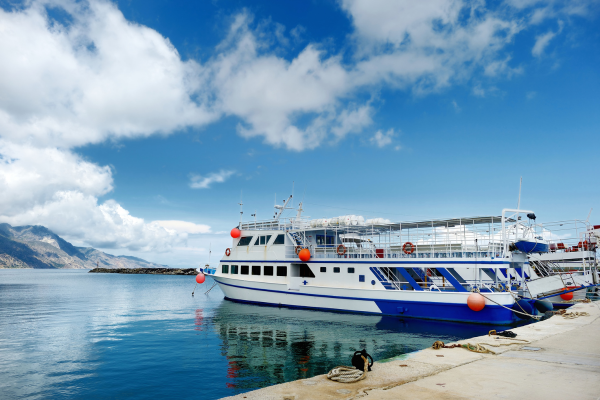
Construction has begun on infrastructure for the proposed Patna Water Metro corridor, with the first charging station for electric ferries currently being built at Gandhi Ghat along the Ganga river in Patna. The project, which is being implemented jointly by the Inland Waterways Authority of India (IWAI) and the Bihar government, forms part of a broader urban water transport initiative estimated to cost around INR 908 crore and is intended to introduce organised passenger ferry services along the city's riverfront. Advertisement


The charging facility at Gandhi Ghat will supply power to battery-powered vessels that are planned to operate on the first water metro corridor spanning approximately 10.5 km between Digha Ghat and Kangan Ghat. The proposed route will connect several ghats along the Ganga, including Gayghat and Gandhi Ghat, which serve as important access points for residents and visitors along Patna's riverfront. Authorities indicated that the charging infrastructure is necessary to support electric ferry operations and ensure uninterrupted services across the corridor once passenger operations commence.
Officials involved in the project said that similar charging facilities are planned at additional terminals, including Digha Ghat and Kangan Ghat, to support vessel turnaround and continuous operations. The water metro corridor is expected to form the first operational segment of a larger river transport network planned across multiple ghats in Patna and surrounding districts along National Waterway-1 on the Ganga. Future expansion plans include extending services towards locations such as Sonepur and Hajipur, creating links between riverfront settlements across the region.
The ferries intended for the service will operate primarily in electric or hybrid mode and are being designed with modern passenger amenities and safety systems. One of the vessels proposed for the system, named MV Gomdhar Kunwar, is estimated to cost more than INR 12 crore. The boats are expected to include air-conditioned passenger cabins, large viewing windows, CCTV monitoring systems and automated tracking features to improve operational oversight and passenger safety.
Project planners indicated that river-based transit is being explored as a complementary mobility option for Patna, where rapid urban growth has increased pressure on road infrastructure. By utilising the Ganga as a transport corridor, the water metro system aims to provide an additional commuting option without requiring extensive land acquisition for new road infrastructure.
Authorities also expect the service to support tourism and improve access to riverfront locations that attract large numbers of visitors during cultural and religious events. Once the charging infrastructure and docking facilities are completed, trial operations and route testing are expected to take place before passenger services begin on the corridor.

5th Jun, 2025

25th May, 2023

11th May, 2023

27th Apr, 2023
Advertisement








 Facebook
 Whatsapp
