Advertisement






When should a housing society in Mumbai start considering re...
From GST on JDAs to SEBI’s REIT reclassification and the S...
Stay ahead in the world of real estate with our daily podcas...
Stay ahead in the world of real estate with our daily podcas...
Goa borrowed INR 4,148 crore in interest-free loans last fiscal year while staying within FRBM limits, according to Chief Minister Pramod Sawant. The state also accessed INR 3,000 crore from NABARD and SIDBI at interest rates of 2.5-5% for rural and industrial infrastructure projects. Despite being eligible for INR 4,500 crore in market borrowings, only INR 2,500 crore was used last year, with plans to borrow just INR 1,000 crore this fiscal. The move reflects a balanced fiscal strategy emphasizing development without overshooting borrowing limits.
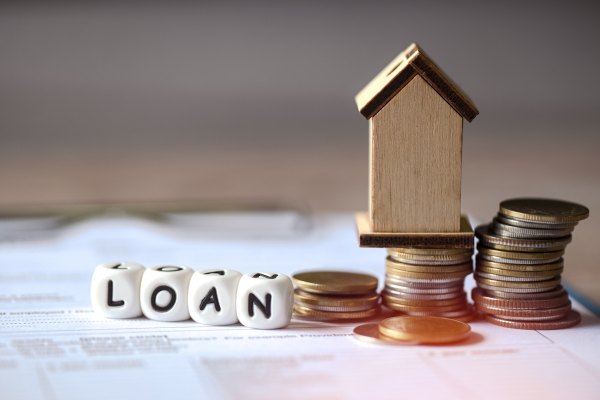
Goa's government borrowed INR 4,148 crore through interest-free loans in the previous fiscal year, Chief Minister Pramod Sawant informed the state assembly. He highlighted that the state remained well within the Fiscal Responsibility and Budget Management (FRBM) framework while availing these loans. Advertisement


During the Question Hour, Sawant acknowledged the Central government for providing interest-free loans to states that undertook reforms after the COVID-19 pandemic. He mentioned that with the previous borrowing, the state is now eligible to access INR 4,500 crore more under the interest-free loan scheme.
In addition to these loans, Sawant noted that the state received funding from NABARD and the Small Industries Development Bank of India (SIDBI) with interest rates between 2.5% and 5% for creating rural and industrial infrastructure. From these sources, Goa borrowed INR 3,000 crore.
Regarding market borrowings, the chief minister explained that the state was eligible to borrow INR 4,500 crore in the last fiscal year but drew only INR 2,500 crore, keeping well within FRBM limits. For the current year, Goa is eligible for INR 3,500 crore in market borrowings but plans to borrow just INR 1,000 crore, signaling a cautious and measured fiscal approach.
Source PTI
FAQ
1. How much did Goa borrow last fiscal year, and what types of loans were used?
Goa borrowed INR 4,148 crore through interest-free loans last fiscal year, staying within the limits set by the Fiscal Responsibility and Budget Management (FRBM) framework. In addition, the state accessed INR 3,000 crore from NABARD and the Small Industries Development Bank of India (SIDBI) at interest rates of 2.5-5%, aimed at supporting rural and industrial infrastructure projects.
2. What is the significance of the interest-free loans?
The interest-free loans are part of a scheme provided by the Central government for states that implemented reforms after the COVID-19 pandemic. These loans allow states to finance development projects without incurring additional debt servicing costs, helping maintain fiscal discipline while investing in growth initiatives.
3. How did Goa manage market borrowings last year?
Though the state was eligible to borrow INR 4,500 crore from the market, it drew only INR 2,500 crore in the last fiscal year. This demonstrates a cautious and balanced approach, ensuring that borrowing remains within FRBM limits and public finances are managed prudently.
4. What are Goa's borrowing plans for the current fiscal year?
For the current fiscal year, Goa is eligible to borrow INR 3,500 crore in market loans but intends to borrow just INR 1,000 crore. This strategy reflects a measured approach to avoid excessive debt while continuing to fund developmental priorities.
5. What role did NABARD and SIDBI loans play in the state's development plans?
The INR 3,000 crore borrowed from NABARD and SIDBI, at moderate interest rates of 2.5-5%, is being utilized to finance rural development projects and industrial infrastructure initiatives. These loans provide targeted funding to enhance economic growth and improve local infrastructure across the state.
6. How does the state ensure compliance with FRBM limits?
By limiting market borrowings, strategically using interest-free central loans, and availing concessional funding from institutions like NABARD and SIDBI, Goa ensures that its total debt remains within the FRBM framework. This helps maintain fiscal stability while allowing continued investment in development.
7. What is the overall fiscal strategy reflected in these borrowing decisions?
Goa's approach emphasizes responsible fiscal management combined with targeted development financing. By borrowing prudently, staying within FRBM limits, and prioritizing low-cost loans for infrastructure and rural projects, the state aims to foster economic growth while maintaining sustainable public finances.

5th Jun, 2025

25th May, 2023

11th May, 2023

27th Apr, 2023
Advertisement








 Facebook
 Whatsapp
