Advertisement










Private equity has played a significant role in shaping Indi...
In today’s real estate landscape, fitness is often treated...
In this episode of Prop Personalities, we sit down with Hars...
Luxury real estate is one of the most talked-about segments ...
Welcome to Prop Personalities by Prop News Time - a podcast ...
Daily ridership on Pune Metro has stabilised at about 200,000 passengers over the past four months, indicating that commuter adoption has reached a plateau following the opening of new sections and service extensions, officials said. The figure reflects sustained use of the rapid transit system despite expectations of further growth as additional corridors are completed. Transit authorities noted that ridership had climbed steadily in earlier months as new stretches were commissioned, and the current stability is seen as a consolidation phase ahead of future expansions. Pune Metro's ridership stability underscores its emerging role as an important component of the city's public transport network, even as last-mile connectivity and feeder services remain key to driving further increases.
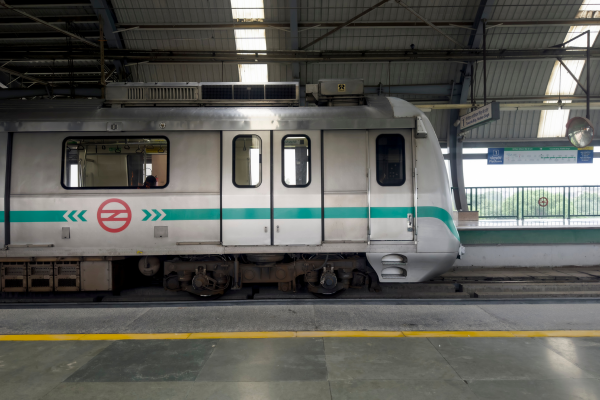
Daily ridership on Pune Metro has levelled off at around 200,000 passengers over the past four months, according to officials, suggesting that commuter use of the rapid transit system has stabilised after initial growth phases following recent network expansions. The plateaued ridership figure comes as Pune Metro continues to integrate new sections and improve connectivity across the city's transport network. Advertisement


Metro authorities said that daily passenger numbers had grown steadily in earlier months after the commissioning of additional stretches of the corridors. However, over the last four months, average daily ridership has hovered near the 200,000 mark, indicating that Pune's commuter base has adjusted to the current service footprint. The transit system has become an established travel choice for many residents, but ridership increases have moderated as extensions beyond existing sections await completion.
The stabilised ridership is viewed by officials as a consolidation stage in the metro's development, with future growth expected to resume as additional corridors and links come into service. Planners noted that the city's public transport ecosystem is still evolving, and further integration with buses, last-mile connectivity options and multimodal hubs will be necessary to attract more users.
Pune Metro's existing routes offer connections between key residential, commercial and educational zones, and the network's reliability and speed have made it a preferred option for daily commuters. Despite this, challenges in feeder connectivity and commuter accessibility in certain areas have been cited as factors that could influence the pace of further ridership growth.
Transport analysts said that stabilised daily numbers were not uncommon in metro systems following rapid initial adoption, especially in the period after major corridor openings. They noted that additional infrastructure development, including feeder services and increased station accessibility, can help widen the catchment area and improve ridership performance over time.
Pune Metropolitan Region Development Authority (PMRDA) and metro officials have been working on strategies to enhance ridership uptake, including improvements in-first and last-mile connectivity, better pedestrian access around stations and strengthened schedule coordination with other public transport modes. These initiatives are intended to make metro travel more convenient for a broader cross-section of commuters, particularly in suburban and peri-urban areas.
As Pune Metro continues its phased expansion, authorities said that the network's role as a backbone of the city's rapid transit system remains central to wider urban mobility planning. Ridership stability at current levels is being monitored alongside infrastructure rollout, with an eye on leveraging future corridor completions to attract increased commuter traffic and reduce reliance on private vehicles.

5th Jun, 2025

25th May, 2023

11th May, 2023

27th Apr, 2023
Advertisement





 Facebook
 Whatsapp
