Advertisement










Private equity has played a significant role in shaping Indi...
In today’s real estate landscape, fitness is often treated...
In this episode of Prop Personalities, we sit down with Hars...
Luxury real estate is one of the most talked-about segments ...
Welcome to Prop Personalities by Prop News Time - a podcast ...
Real estate demand in Bengaluru has strengthened around metro corridors, with homebuyer interest rising between 8 per cent and 19 per cent in areas close to operational metro stations, according to recent data. Residential prices in established metro-linked neighbourhoods such as Rajajinagar and Jayanagar have risen by double digits, while rental values near key metro stops have climbed by as much as 18 per cent. Data shows that both demand and price growth around the Purple Line, Green Line and Yellow Line outpaced the broader city averages, underlining how improved connectivity is shaping buyer and tenant preferences. Even localities without direct metro access have recorded price appreciation, as expectations of future connectivity continue to be factored into valuations, with Whitefield, K.R. Puram and Electronic City among the areas reporting notable growth.
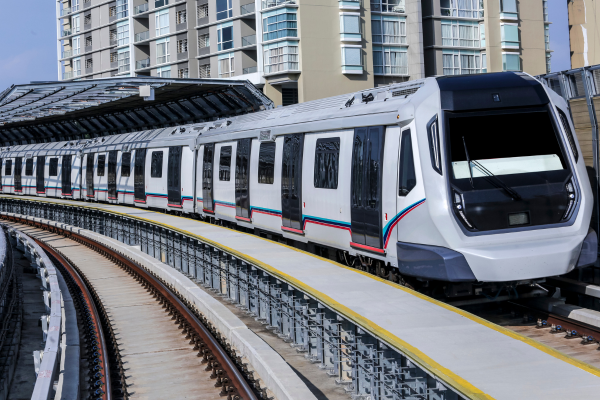
Housing demand in Bengaluru has witnessed a notable upturn in neighbourhoods that are close to metro stations, with residential search and booking activity rising by between 8 per cent and 19 per cent, data from NoBroker shows. The enhanced interest reflects how improved connectivity through the metro network is influencing real estate preferences across the city. Advertisement


Residential prices near key metro corridors have registered strong appreciation, outpacing movements seen in non-metro-linked areas. Established areas such as Rajajinagar saw prices rise by around 13 per cent, while Jayanagar recorded an increase of approximately 11 per cent. These gains are stronger than the broader city average, highlighting the appeal of locations that offer more efficient daily commutes via public transport.
Metro connectivity has also been reflected in rental markets. Rentals for properties close to metro stations have risen significantly, with some micro-markets reporting growth of up to 18 per cent year-on-year. Localities such as Malleswaram and Jayanagar recorded strong rental momentum, while key tech and employment hubs including Whitefield, K.R. Puram and Electronic City also saw rental growth of more than 10 per cent, driven in part by commuting convenience for working professionals.
The surge in demand has not been limited to areas with existing metro links. Some localities that are not yet directly connected to the network have also experienced price increases as buyers factor in expectations of future transit upgrades. For example, neighbourhoods such as Bellandur and Bommanahalli reported price growth, indicating that planned or upcoming metro corridors are already influencing property valuations.
Industry observers note that the Bengaluru Metro network, including its Purple, Green and Yellow lines, has increasingly shaped the residential real estate landscape. The Purple Line's extension towards the city's eastern IT corridor supported strong demand in Whitefield and K.R. Puram, while the Green Line connecting north-south sections contributed to growth in Jayanagar and Rajajinagar. The Yellow Line's reach into southern parts of the city also helped drive demand in Electronic City and nearby hubs.
Real estate experts point out that improved metro connectivity reduces travel time significantly, in some cases by 30-40 per cent, and thus expands the commutable radius for homebuyers and tenants. This has encouraged relocation from traditionally congested or high-cost micro-markets to more affordable or strategically connected neighbourhoods, even if metro services are planned rather than operational.
As connectivity continues to improve with ongoing and planned metro extensions, both buyers and tenants appear to be prioritising properties that offer convenient access to rapid transit, reflecting a broader shift in residential choices within India's largest technology-driven urban market. The emphasis on efficient mobility, coupled with job growth and quality-of-life considerations, is likely to sustain real estate demand around transit corridors in the foreseeable future.

5th Jun, 2025

25th May, 2023

11th May, 2023

27th Apr, 2023
Advertisement





 Facebook
 Whatsapp
