Advertisement










Private equity has played a significant role in shaping Indi...
In today’s real estate landscape, fitness is often treated...
In this episode of Prop Personalities, we sit down with Hars...
Luxury real estate is one of the most talked-about segments ...
Welcome to Prop Personalities by Prop News Time - a podcast ...
Aypa Power has arranged a USD 1.5 billion warehouse facility financing to accelerate the construction of utility-scale energy storage projects in the US. The facility allows the company to fund multiple battery storage projects at various stages without relying on separate financing for each asset. The move highlights growing lender confidence in large-scale energy storage as grid operators increasingly depend on batteries to manage renewable energy integration, peak demand, and grid stability. Warehouse facilities are becoming a preferred tool for developers scaling storage portfolios.
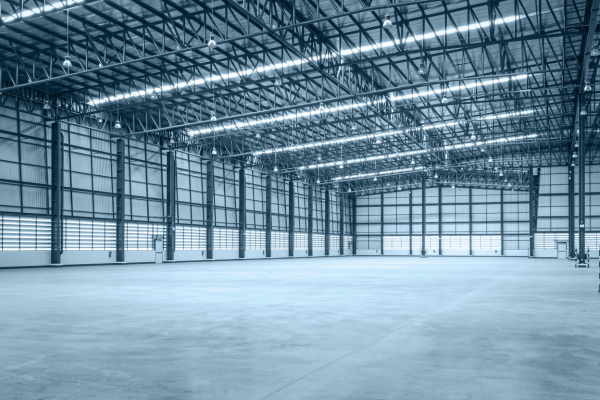
Aypa Power has secured a USD 1.5 billion warehouse facility financing to support the development and construction of large-scale energy storage projects across the United States. The financing arrangement is aimed at accelerating the build-out of utility-scale battery storage assets, a segment that has gained importance as power grids handle rising renewable energy capacity. Advertisement


The company indicated that the warehouse facility will be used to fund multiple projects during different stages of development and construction, allowing faster execution without waiting for individual project-level financing. Such facilities are commonly used by infrastructure and energy developers to create a ready pool of capital that can later be refinanced through long-term debt once projects become operational.
Aypa Power has been active in the standalone energy storage space, focusing on battery projects that support grid reliability, peak demand management, and renewable energy integration. The company has previously developed and operated storage assets in key power markets, including regions with high renewable penetration and increasing grid congestion.
The latest financing reflects continued lender interest in energy storage, which has moved from a niche segment to a core part of power infrastructure planning. Over the past few years, US grid operators and utilities have increasingly relied on battery storage to balance intermittent solar and wind generation, manage frequency regulation, and reduce dependence on fossil fuel peaker plants.
Industry participants note that warehouse financing structures have become more common as developers scale up portfolios of similar assets. By pooling projects under a single facility, companies can reduce financing delays and improve cost efficiency while responding quickly to grid needs and market opportunities.
Source Reuters

5th Jun, 2025

25th May, 2023

11th May, 2023

27th Apr, 2023
Advertisement





 Facebook
 Whatsapp
