Advertisement










Private equity has played a significant role in shaping Indi...
In today’s real estate landscape, fitness is often treated...
In this episode of Prop Personalities, we sit down with Hars...
Luxury real estate is one of the most talked-about segments ...
Welcome to Prop Personalities by Prop News Time - a podcast ...
The Union government has rolled out the National Monetisation Pipeline (NMP) 2.0 with a target to mobilise INR 10 lakh crore over five years. The revised pipeline estimates a total monetisation potential of INR 16.72 lakh crore between FY26 and FY30, including INR 5.8 lakh crore from private investment. Highways, power, ports and railways are expected to contribute the largest share. The programme builds on NMP 1.0, which achieved 89 per cent of its INR 6 lakh crore target. The initiative focuses on recycling public assets to fund fresh infrastructure development while limiting budgetary pressure.
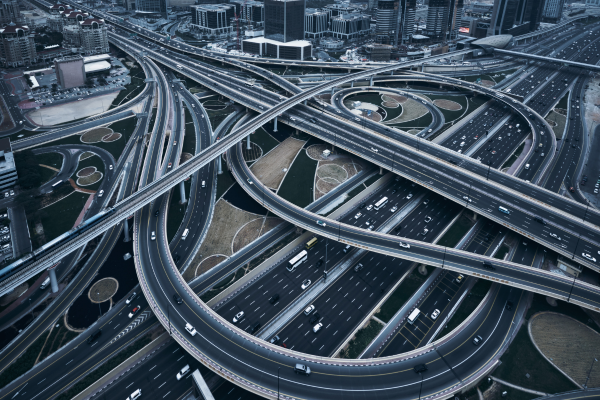
The Union government has launched the National Monetisation Pipeline (NMP) 2.0, setting a mobilisation target of INR 10 lakh crore over a five-year period. The announcement was made by Finance Minister Nirmala Sitharaman while outlining the next phase of asset monetisation under the Union Budget framework for FY26-30. Advertisement


The first phase of the pipeline was introduced in 2021 by NITI Aayog for FY22-25. It aimed to unlock value in brownfield public infrastructure assets through structured leasing to private players. Against a target of INR 6 lakh crore, NMP 1.0 achieved around 89 per cent, mobilising approximately INR 5.3 lakh crore.
Under NMP 2.0, the government has estimated an aggregate monetisation potential of INR 16.72 lakh crore between FY26 and FY30. This includes around INR 5.8 lakh crore expected from private sector participation under the asset monetisation plans of central ministries and public sector entities. The INR 16.7 lakh crore five-year asset monetisation target is over 2.6 times higher than the earlier pipeline.
At the launch, the Finance Minister acknowledged that ministries, departments and NITI Aayog had achieved nearly 90 per cent of the INR 6 lakh crore target set under NMP 1.0. She stated that NMP 2.0 aligns with the broader objective of building a developed India through accelerated infrastructure expansion and added that asset monetisation can support growth momentum.
She further noted that NMP 1.0 was the first large-scale pipeline of its kind and said the experience gained should guide the next phase. According to her, learnings from the previous cycle would help optimise resources and opportunities to deliver results within defined timelines. She also urged departments to simplify and standardise processes to ensure smoother execution.
The government has reiterated that asset monetisation enables the recycling of productive public assets, allowing funds to be reinvested in new infrastructure projects and capital expenditure. This approach supports efficient mobilisation of funds for public Capex while reducing direct budgetary strain.
NMP 2.0 has been prepared after multi-stakeholder consultations led by NITI Aayog, the Ministry of Finance and line ministries. Several rounds of discussions were held with stakeholders as part of what has been described as a whole-of-government initiative. An empowered Core Group of Secretaries on Asset Monetisation, chaired by the Cabinet Secretary, will continue to monitor progress.
Sector-wise, highways are expected to contribute the highest at INR 4.42 lakh crore over five years. Power follows with INR 2.77 lakh crore, ports with INR 2.64 lakh crore and railways with INR 2.62 lakh crore. Other sectors covered include petroleum and natural gas, civil aviation, warehousing and storage, urban infrastructure, coal, mines, telecom and tourism.
Proceeds from monetisation projects will be allocated across four heads depending on the implementing agency and mode adopted. These include the Consolidated Fund of India, PSU or Port Authority allocations, State Consolidated Funds and direct private investment.
The framework follows five stages, beginning with identification of asset classes in each sector, selection of suitable monetisation modes and estimation of award targets between FY26 and FY30. An additional analysis has been introduced for assets that revert to the monetising agency after the concession period. In such cases, monetisation value net of depreciation has been assessed to understand economic value and determine allocation of proceeds among government accounts.
A significant portion of proceeds under NMP 2.0 is expected to accrue to the Consolidated Fund of India, followed by direct private investment, PSU or Port Authority allocations and State Consolidated Funds.
Transactions under NMP 2.0 will be executed through a mix of instruments. These include direct contractual routes such as public-private partnership concessions and capital market instruments like Infrastructure Investment Trusts. The choice of instrument will depend on the sector, nature of the asset, market conditions, investor profile and the level of operational or investment control retained by the asset owner.
The government has stated that it intends to make asset monetisation value accretive for both public authorities and private investors through better infrastructure quality, operations and maintenance standards.
Source PTI
FAQ
1. What is NMP 2.0 and what target has been set?
The Union government has launched the National Monetisation Pipeline (NMP) 2.0 with a mobilisation target of INR 10 lakh crore over five years (FY26-FY30). The announcement was made by Finance Minister Nirmala Sitharaman. The programme aims to unlock value from brownfield public infrastructure assets and reinvest the proceeds into new infrastructure creation.
2. How did NMP 1.0 perform?
The first phase, launched in 2021 by NITI Aayog for FY22-FY25, had a target of INR 6 lakh crore. It achieved around 89 per cent of this target, mobilising approximately INR 5.3 lakh crore. The government has stated that lessons from this phase will guide implementation and process improvements under NMP 2.0.
3. What is the total monetisation potential under NMP 2.0?
The revised pipeline estimates a total monetisation potential of INR 16.72 lakh crore between FY26 and FY30. Of this, around INR 5.8 lakh crore is expected from private sector participation under asset monetisation plans of central ministries and public sector entities. The overall target is more than 2.6 times higher than the earlier pipeline.
4. Which sectors will contribute the most?
Highways are expected to contribute the highest share at INR 4.42 lakh crore, followed by power (INR 2.77 lakh crore), ports (INR 2.64 lakh crore) and railways (INR 2.62 lakh crore). Other sectors include petroleum and natural gas, civil aviation, warehousing, urban infrastructure, coal, mines, telecom and tourism.
5. How will the monetised funds be utilised?
The government has reiterated that asset monetisation enables recycling of public assets, allowing proceeds to be reinvested into new infrastructure projects and capital expenditure. Funds will be allocated across the Consolidated Fund of India, PSU or Port Authority accounts, State Consolidated Funds, and direct private investment, depending on the implementing agency and structure adopted.
6. How will NMP 2.0 be implemented and monitored?
NMP 2.0 has been prepared after consultations led by NITI Aayog, the Ministry of Finance and line ministries. An empowered Core Group of Secretaries on Asset Monetisation, chaired by the Cabinet Secretary, will monitor progress. Transactions will be executed through instruments such as public-private partnership concessions and Infrastructure Investment Trusts, depending on sector requirements and market conditions.

5th Jun, 2025

25th May, 2023

11th May, 2023

27th Apr, 2023
Advertisement





 Facebook
 Whatsapp
