Advertisement










Private equity has played a significant role in shaping Indi...
In today’s real estate landscape, fitness is often treated...
In this episode of Prop Personalities, we sit down with Hars...
Luxury real estate is one of the most talked-about segments ...
Welcome to Prop Personalities by Prop News Time - a podcast ...
Rooftop solar installations under the central government's PM Surya Ghar: Muft Bijli Yojana have crossed 30 lakh households since the scheme was launched in February 2024. Union New and Renewable Energy Minister Pralhad Joshi shared the update earlier this week. The government aims to cover one crore households by 2026-27. It estimates that installations at this scale could generate 1,000 billion units of renewable electricity and reduce 720 million tonnes of CO2 emissions over 25 years, strengthening India's clean energy push.
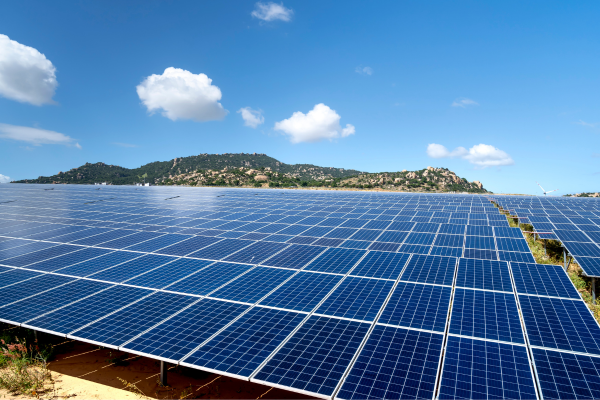
Rooftop solar power installations under the PM Surya Ghar: Muft Bijli Yojana have crossed 30 lakh households since the scheme was launched in February 2024, Union Minister for New and Renewable Energy Pralhad Joshi said earlier this week. Advertisement


Sharing the update on social media platform X, the minister stated that the milestone marked steady progress in India's clean energy transition. He said that 30 lakh households across the country had been equipped with rooftop solar systems under the scheme, enabling families to convert sunlight into financial savings while contributing to sustainability.
The government has set a target of installing rooftop solar systems in one crore households by 2026-27. According to official estimates cited by the minister, if one crore homes are covered, the systems could generate around 1,000 billion units of renewable electricity over their operational life. This, in turn, may help reduce nearly 720 million tonnes of carbon dioxide emissions over 25 years, which is the expected lifespan of these installations.
The minister further noted that apart from lowering electricity bills for households, the programme is also aimed at improving energy security and accelerating India's broader green energy transformation under the leadership of Prime Minister Narendra Modi.
The PM Surya Ghar scheme was announced as a major household-level renewable energy initiative to promote distributed solar generation. It is designed to provide financial assistance and encourage residential consumers to install rooftop solar systems, thereby reducing dependence on conventional power sources and easing pressure on the grid during peak demand.
India has been steadily expanding its renewable energy capacity over the past decade, with rooftop solar identified as a key segment to achieve decentralised clean power generation. Crossing the 30 lakh mark indicates a significant pace of adoption within a year of the scheme's rollout.
Source PTI
FAQ
1. What milestone has been achieved under the PM Surya Ghar scheme?
Rooftop solar installations under the PM Surya Ghar: Muft Bijli Yojana have crossed 30 lakh households since the scheme was launched in February 2024. The update was shared by Union Minister Pralhad Joshi, highlighting steady progress in expanding residential solar adoption across the country.
2. What is the government's target under the scheme?
The government aims to install rooftop solar systems in one crore households by 2026-27. This target reflects a major push toward decentralised renewable energy generation and wider participation of residential consumers in India's clean energy transition.
3. What environmental impact is expected at full scale?
If one crore homes are covered, the installations are estimated to generate around 1,000 billion units of renewable electricity over their operational life. This could help reduce approximately 720 million tonnes of carbon dioxide emissions over 25 years, contributing significantly to climate mitigation efforts.
4. How does the scheme benefit households?
The scheme provides financial assistance to encourage rooftop solar installations, helping households reduce electricity bills by generating their own power. It also enables families to become partial energy producers, lowering dependence on conventional grid electricity.
5. How does rooftop solar support energy security?
By promoting distributed solar generation, the scheme reduces pressure on the grid during peak demand periods and enhances local energy resilience. It also decreases reliance on fossil fuels, strengthening long-term energy security for the country.
6. Why is rooftop solar important for India's renewable goals?
Rooftop solar plays a key role in decentralised clean power generation and complements large-scale renewable projects. Expanding residential solar capacity supports India's broader green energy transformation and aligns with national sustainability objectives under the leadership of Narendra Modi.

5th Jun, 2025

25th May, 2023

11th May, 2023

27th Apr, 2023
Advertisement





 Facebook
 Whatsapp
