Advertisement






When should a housing society in Mumbai start considering re...
From GST on JDAs to SEBI’s REIT reclassification and the S...
Stay ahead in the world of real estate with our daily podcas...
Stay ahead in the world of real estate with our daily podcas...
The Union government has drawn up a plan to corporatise 11 of India's 12 major ports by December 2026 and prepare them for potential stock market listing by December 2027. At present, only Kamarajar Port operates as a company, while the rest function as authorities under the Major Port Authorities Act, 2021. The proposal is part of wider maritime sector reforms aimed at improving efficiency and competitiveness. However, port labour unions have opposed the move, raising concerns related to job security, pension safeguards and national security implications.
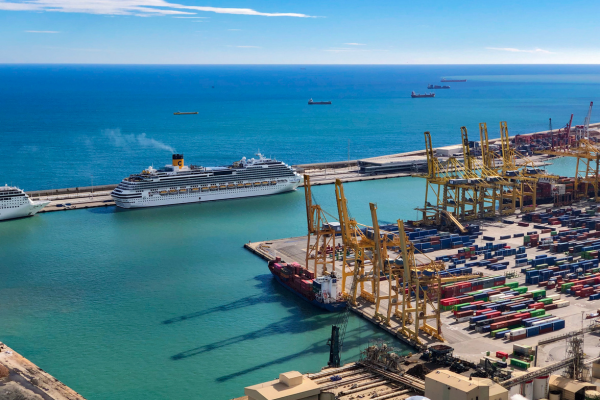
The Union government has prepared a roadmap to corporatise 11 of the country's 12 state-owned major ports by December 2026, with plans to complete the groundwork for their possible listing on stock exchanges by December 2027. The proposal has emerged as part of the Centre's broader effort to restructure and modernise port governance. Advertisement


Currently, only Kamarajar Port Limited operates under the Companies Act as a corporate entity. The remaining major ports function as port authorities under the Major Port Authorities Act, 2021, which replaced the earlier Major Port Trusts Act. The 2021 law had already provided greater financial and administrative autonomy to port boards, including powers to fix tariffs and enter contracts.
According to internal discussions reviewed in the past week, the government is examining whether these ports should follow a centralised corporate structure under a single holding framework or be converted into separate corporate entities with individual boards. The final structure will determine how operational control, asset ownership and future disinvestment plans are handled.
The corporatisation plan is intended to bring major ports at par with private ports, many of which already operate as companies with greater operational flexibility and access to capital markets. Over the past few years, major ports have recorded steady growth in cargo handling and improved financial performance, but they continue to face strong competition from private operators in terms of turnaround time and infrastructure efficiency.
Labour unions have strongly opposed the move. Representatives of port workers federations have stated that corporatisation could weaken job protections and affect long-term pension benefits. They have also pointed out that workforce numbers at major ports have already declined significantly over the past decade due to mechanisation and voluntary retirement schemes.
Unions have further raised concerns about ports located near naval installations, including Cochin, Mormugao, Visakhapatnam and Mumbai. They have argued that converting such strategically located ports into corporate entities and eventually listing them could raise national security questions if ownership patterns change in the future.
The proposed timeline of December 2026 for corporatisation indicates that preparatory work, including asset valuation, restructuring of liabilities and regulatory approvals, will need to be completed within the next several months. The government has not yet issued a formal notification detailing the implementation process.

5th Jun, 2025

25th May, 2023

11th May, 2023

27th Apr, 2023
Advertisement








 Facebook
 Whatsapp
