Advertisement






When should a housing society in Mumbai start considering re...
From GST on JDAs to SEBI’s REIT reclassification and the S...
Stay ahead in the world of real estate with our daily podcas...
Stay ahead in the world of real estate with our daily podcas...
The Delhi government has approved an INR 802.18 crore plan to redevelop nearly 400 km of roads across 45 Assembly constituencies. Around 241 major road stretches will be upgraded under a wall-to-wall carpeting model that focuses on full-width resurfacing instead of patch repairs. Of the total outlay, INR 643.36 crore will be funded through the Central Road Infrastructure Fund, while INR 158.82 crore will be borne by the Delhi government. The works are scheduled to be completed by the end of 2026 to improve durability, drainage and road safety.
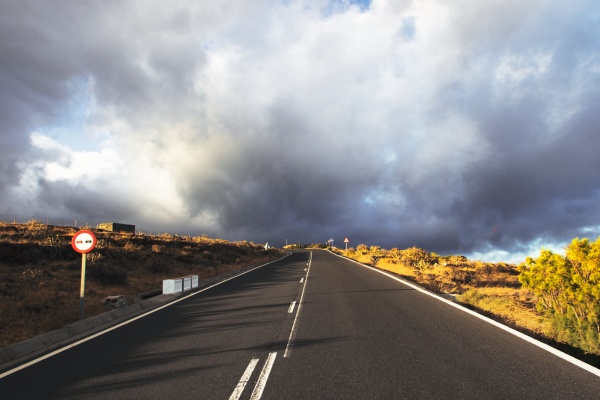
The Delhi government has approved a large-scale road redevelopment project with a total investment of INR 802.18 crore to upgrade nearly 400 km of roads across the city. The plan covers more than 241 key road stretches spread across 45 Assembly constituencies and is scheduled to be completed by the end of 2026. Advertisement


Chief Minister Rekha Gupta stated that the objective is to improve road quality across Delhi through a uniform and long-lasting resurfacing method. She said the government aims to move away from temporary patchwork repairs and instead ensure complete strengthening of selected stretches.
The project will follow a wall-to-wall carpeting model, under which the entire width of the road will be resurfaced rather than repairing isolated damaged portions. Officials explained that this approach is expected to increase the lifespan of roads and reduce the need for repeated maintenance. Before resurfacing, technical assessments will be carried out to check the condition of the base layer, and necessary strengthening work will be undertaken.
Out of the total allocation, INR 643.36 crore will come from the Central Road Infrastructure Fund (CRIF), while the remaining INR 158.82 crore will be funded by the Delhi government. The Public Works Department (PWD) will execute the works in phases to reduce traffic disruption.
The identified stretches include major roads such as Outer Ring Road, Rao Tula Ram Marg, August Kranti Marg, Lala Lajpat Rai Marg and Dr K.N. Katju Marg, among others. These corridors handle significant daily traffic and have faced issues such as surface damage, potholes and waterlogging.
Officials indicated that improving drainage systems will be a key part of the redevelopment to prevent water accumulation during the monsoon. The government has previously undertaken similar resurfacing works on around 150 km of roads, and the current plan expands that effort on a larger scale.
The administration has stated that the focus is on improving safety, reducing dust generated from damaged surfaces and ensuring smoother travel for commuters across different parts of the capital.
Source PTI
FAQ
1. What is the scope of the road redevelopment project in Delhi?
The Delhi government has approved a major road redevelopment initiative worth INR 802.18 crore, covering nearly 400 km of roads across 45 Assembly constituencies. The project aims to improve traffic flow, enhance road safety, and provide long-lasting surfaces, addressing chronic issues like potholes, waterlogging, and surface damage. Around 241 key road stretches will be upgraded under a comprehensive and structured approach, ensuring that commuters experience smoother and safer journeys across different parts of the city.
2. What construction model will be used for this project?
The project will adopt a wall-to-wall carpeting model, which involves resurfacing the entire width of the road rather than fixing isolated damaged patches. This approach strengthens the road's base layer, increases durability, and reduces the need for frequent maintenance or repairs. Officials will carry out technical assessments to check the structural integrity of the road base before resurfacing, ensuring enhanced longevity and higher resilience against heavy traffic and monsoon-related wear and tear.
3. How is the project being funded?
The total project cost of INR 802.18 crore will be shared between the Central Road Infrastructure Fund (CRIF), contributing INR 643.36 crore, and the Delhi government, which will fund INR 158.82 crore. This combination of central and state resources allows for a large-scale, city-wide redevelopment effort. Funds will be allocated in phases, ensuring that quality standards are maintained while minimizing disruption to traffic during the construction period.
4. Which roads are included in the redevelopment plan?
The redevelopment covers key stretches across the capital, including Outer Ring Road, Rao Tula Ram Marg, August Kranti Marg, Lala Lajpat Rai Marg, and Dr K.N. Katju Marg, among others. These roads are major commuter and commercial corridors that experience high traffic volumes daily. Many of these stretches have long-standing issues with surface deterioration, potholes, dust, and waterlogging, which the project aims to systematically resolve.
5. What additional measures are included besides resurfacing?
In addition to full-width resurfacing, the project includes upgrading drainage systems to prevent water accumulation during the monsoon season, improving pedestrian and vehicular safety. Road markings, signage, and reflective features are expected to be upgraded for better visibility. By addressing both the road surface and supporting infrastructure, the project aims to provide durable, safe, and all-weather roads that reduce maintenance costs and improve overall commuting experience for Delhi residents.
6. When is the project expected to be completed?
The redevelopment works are scheduled for completion by the end of 2026. The Public Works Department (PWD) plans to execute the project in phases to minimize traffic disruptions while maintaining consistent quality. Officials have emphasized adherence to timelines, strict monitoring, and high standards of workmanship, ensuring that the upgraded roads remain functional, durable, and safe for years to come.

5th Jun, 2025

25th May, 2023

11th May, 2023

27th Apr, 2023
Advertisement








 Facebook
 Whatsapp
