Advertisement










Private equity has played a significant role in shaping Indi...
In today’s real estate landscape, fitness is often treated...
In this episode of Prop Personalities, we sit down with Hars...
Luxury real estate is one of the most talked-about segments ...
Welcome to Prop Personalities by Prop News Time - a podcast ...
The Mumbai coastal road, built to ease congestion and cut travel time, is facing criticism due to limited public transport usage. Despite having a dedicated BEST bus lane, only two bus routes currently operate on the corridor with low frequency. Commuters say long waiting times reduce the benefit of the signal-free road and force many to rely on private vehicles. Transport experts and citizens believe the infrastructure is underused and stress that higher bus frequency is essential for the project to deliver wider public value.
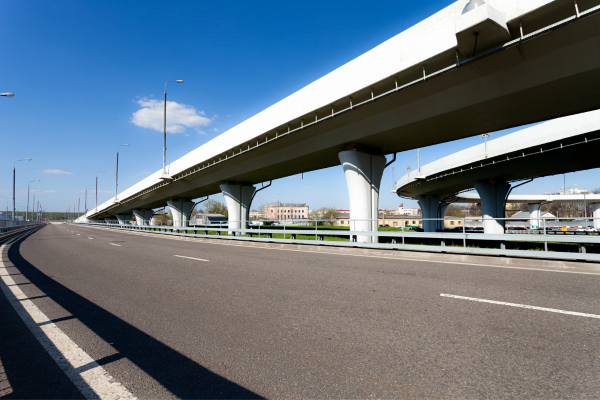
The coastal road in Mumbai was planned as a key mobility project to decongest arterial roads and offer faster, predictable travel. While the corridor includes a dedicated bus lane for public transport, its current use has disappointed daily commuters. At present, only two BEST bus routes operate on the stretch, and their low frequency has limited the road's usefulness for those dependent on buses. Advertisement


Passengers using these services report long gaps between buses, at times stretching close to an hour. As a result, many commuters say the time-saving advantage of the coastal road is lost, especially during peak hours. The issue has drawn attention as the road allows smooth, signal-free movement, but the lack of adequate bus services prevents wider public access to this benefit.
Officials from Brihanmumbai Electric Supply and Transport have acknowledged the concern and indicated that expanding services is under consideration. However, they have also pointed to fleet constraints as a key challenge. While some buses are already using the corridor effectively, the absence of a clear plan for scaling up operations has added to commuter frustration.
Urban transport experts note that the coastal road's bus lane remains underutilised despite the scale of investment in the project. They argue that a higher number of daily trips, along with better route integration, is necessary to encourage a shift from private vehicles to public transport. Suggestions include running frequent services throughout the day and linking the corridor with major arterial routes to improve overall connectivity.
The situation has also raised questions about planning priorities. Without reliable and frequent bus services, the coastal road risks serving largely as a private vehicle corridor, limiting its impact on congestion reduction and sustainable urban mobility.

5th Jun, 2025

25th May, 2023

11th May, 2023

27th Apr, 2023
Advertisement





 Facebook
 Whatsapp
