Advertisement








When should a housing society in Mumbai start considering re...
From GST on JDAs to SEBI’s REIT reclassification and the S...
Stay ahead in the world of real estate with our daily podcas...
Stay ahead in the world of real estate with our daily podcas...
Resident Welfare Associations (RWAs) in Gurugram have urged the government to take responsibility for constructing stalled 24-metre internal sector roads in newly developed sectors adjoining the Dwarka Expressway, citing long-standing gaps in land acquisition that have left key link roads incomplete and homes dependent on narrow village routes for access. At a press conference under the Dwarka Expressway Gurgaon Development Association (DXP GDA) banner, residents highlighted bottlenecks in Sectors 112, 99A and 109, where stretches of planned arterial roads remain unfinished because small parcels of land have not been acquired. RWAs argue these missing internal links undermine connectivity, affect daily commuting, and reduce safety for thousands of residents. Government planning officials clarified that internal roads fall under developers obligations, but said the issue could be examined at the policy level.
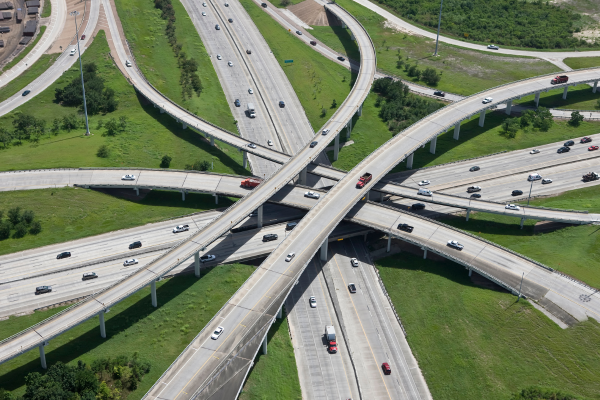
In Gurugram's rapidly expanding Dwarka Expressway corridor, residents associations are again pressing for urgent action on unfinished internal roads that were part of approved sector plans but remain incomplete due to fragmented land acquisition. On Sunday, members of local RWAs, under the aegis of the Dwarka Expressway Gurgaon Development Association (DXP GDA), demanded that the state government formally take over the stalled internal road works to ensure timely completion and relief for thousands of home-owners in sectors adjoining the expressway. Advertisement


Residents of developing sectors such as 112, 99A and 109 described how the lack of continuous 24-metre internal roads which were meant to provide seamless access within large planned sectors has forced communities to rely on much narrower village revenue roads for ingress and egress. In some cases, societies with over 1,000 occupied flats are still dependent on 11-metre lanes, creating daily inconvenience and safety concerns, especially for emergency services.
Roads play a crucial role in the development of an area, said Sunny Daultabad, convenor of DXP GDA. He noted that while the **Dwarka Expressway's main carriageway has boosted connectivity between Gurugram and the national capital region, the absence of finished internal links has become a major handicap for residents in nearby sectors. We're seeing stalled pockets like a 100-metre gap near India Habitat Society in Sector 99A simply because small land parcels were never acquired or consolidated for roadworks, he explained.
The RWAs have been raising these concerns for months, and a previous high court petition by resident groups seeking judicial intervention underscores the enduring nature of the issue. In that petition, homeowners pointed to hampered ambulance and fire brigade access, dust and safety hazards, and road connectivity that falls short of approved urban layout plans.
At the press conference, RWA leaders reiterated that residents feel infrastructure promises made at the time of property purchases remain unfulfilled, and that the fragmented approach to internal road construction left to individual developers has contributed to the delays. They argue that a government takeover of the works would unify responsibility and accelerate completion across the network.
Responding to the demands, R S Bhath, district town planner at the Gurugram Metropolitan Development Authority (GMDA), acknowledged the concerns and clarified the existing framework: internal sector roads are generally the responsibility of developers under licence conditions, while master or primary roads are constructed by government agencies. However, he said he would discuss the matter with higher authorities to consider policy-level interventions. Construction of roads is a top priority for all agencies, he stated.
The impasse reflects broader challenges in last-mile urban infrastructure delivery in fast-growing suburbs, where master expressways and arterial links often outpace smaller but critical internal networks. For now, residents are banking on renewed government engagement to secure actionable timelines for completing the internal roads that remain vital for everyday connectivity.

5th Jun, 2025

25th May, 2023

11th May, 2023

27th Apr, 2023
Advertisement








 Facebook
 Whatsapp
