Advertisement








When should a housing society in Mumbai start considering re...
From GST on JDAs to SEBI’s REIT reclassification and the S...
Stay ahead in the world of real estate with our daily podcas...
Stay ahead in the world of real estate with our daily podcas...
The Delhi government is accelerating the expansion of the Delhi Metro network under Phase IV to reduce road congestion, cut pollution and improve urban mobility. Funding has been cleared for three new corridors spanning about 47.2 km, with a total project cost of INR 14,630.80 crore, including the Delhi government's share of INR 3,386.18 crore. The corridors will connect Lajpat Nagar Saket G-Block, Inderlok Indraprastha, and Rithala Kundli, strengthening access across south, north and central Delhi and extending into neighbouring regions. The expansion aims to encourage a shift to public transport, ease traffic pressure and support cleaner travel. Construction and tendering are underway, with completion targeted within four years.
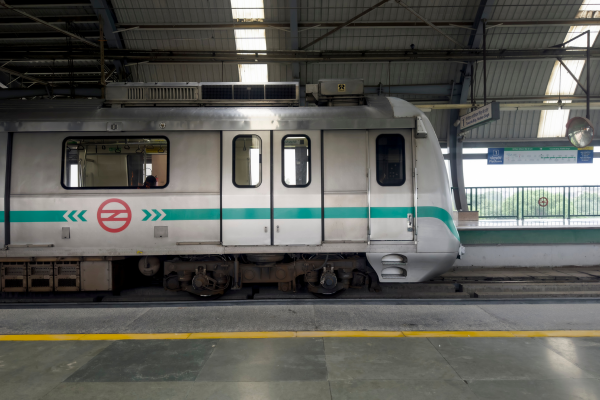
The Delhi government has stepped up efforts to expand the city's metro network, saying the initiative will play an important role in easing road congestion, reducing pollution and making the national capital more modern and commuter-friendly. Under Phase IV of the Delhi Metro Rail Transit System, funding has been released for three key corridors with a combined length of about 47.2 kilometres and a total estimated cost of around INR 14,630.80 crore, of which the Delhi government's share is approximately INR 3,386.18 crore. Advertisement


The first corridor, from Lajpat Nagar to Saket G-Block, will be fully elevated and include eight stations to improve access in south Delhi. The second corridor will run from Inderlok to Indraprastha, featuring one elevated and nine underground stations, enhancing connectivity between north and central parts of the city. The third and longest corridor will extend metro services from Rithala to Kundli, reaching into neighbouring regions and providing expanded mass transit access for commuters.
Chief Minister Smt Rekha Gupta said the expansion is expected to offer safe, convenient and time-efficient travel, encouraging a shift from private vehicles to public transport, which in turn will help ease congestion and reduce vehicular pollution. She described the move as part of the government's broader vision to modernise urban transport infrastructure and support Delhi's future growth.
The tendering process for the corridors is underway, and work has already begun on certain sections, with completion targeted within four years. The expanded network is intended to integrate seamlessly with existing metro lines, improving accessibility across major residential and commercial hubs while contributing to the city's sustainability and air quality goals.

5th Jun, 2025

25th May, 2023

11th May, 2023

27th Apr, 2023
Advertisement








 Facebook
 Whatsapp
