Advertisement










Private equity has played a significant role in shaping Indi...
In today’s real estate landscape, fitness is often treated...
In this episode of Prop Personalities, we sit down with Hars...
Luxury real estate is one of the most talked-about segments ...
Welcome to Prop Personalities by Prop News Time - a podcast ...
Improved access to public transport, especially metro rail networks, is helping urban households reduce reliance on private vehicles and cut recurring travel costs, according to a working paper by the Economic Advisory Council to the Prime Minister (EAC-PM). The study highlights that lower transport expenses ease pressure on EMI repayments, improving household financial discipline. Data from Hyderabad, Bengaluru and Delhi shows notable declines in loan delinquencies and higher prepayment rates in metro-connected areas. Reduced vehicle registrations further support these findings. The paper links a decade of investment in urban mobility, supported by initiatives like PM GatiShakti, to stronger liquidity management, greater financial resilience and improved stability among urban households.
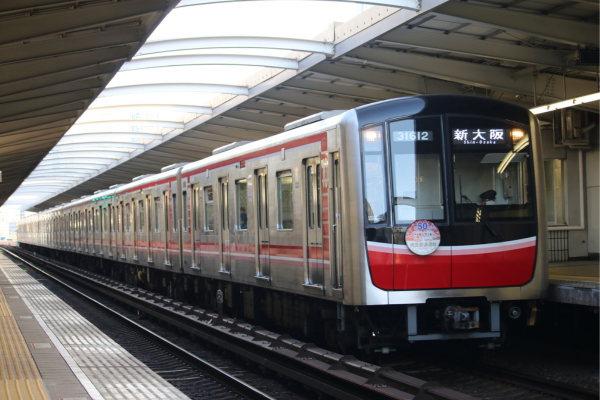
Improved access to efficient public transport has been shown to reduce households reliance on private vehicles, which in turn lowers recurring transportation costs. According to a working paper released by the Economic Advisory Council to the Prime Minister (EAC-PM) earlier this week, these reductions in transportation expenses ease the burden of servicing EMIs, one of the most significant fixed financial commitments for urban households. Advertisement


The paper, titled Golden Decade of Infrastructure Development in India with Special Reference to Metro Rail Network, highlights that households living in areas served by metro rail in cities such as Hyderabad, Bengaluru, and Delhi have demonstrated stronger financial discipline. Empirical data from Hyderabad shows that households in metro-accessible PIN codes experienced a 1.7 per cent decline in delinquency incidents, alongside a 1.8 per cent increase in prepayment activity. In Bengaluru, these behavioural changes were even more pronounced, with delinquency rates dropping by 2.4 per cent and prepayment rates rising by 3.5 per cent following metro expansion. Evidence from Delhi points to a 4.42 per cent reduction in mortgage delinquency and a 1.38 per cent rise in prepayments.
Vehicle registration data from these cities further supports the findings, suggesting that improved urban transit leads to fewer private vehicles and lower transport costs for households. Overall, investments in urban mobility infrastructure over the last decade especially in metro networks have contributed to better liquidity management and more disciplined borrowing among urban households. The paper emphasizes that these behavioural improvements are a crucial foundation for household financial resilience and play a meaningful role in supporting broader financial stability.
India's physical infrastructure has developed rapidly over the past decade, with significant advancements across highways, airports, and railways. Almost all major infrastructure indicators have at least doubled during this period. A key initiative in this transformation is the PM GatiShakti National Master Plan, launched in October 2021, which adopts an integrated, multimodal approach to infrastructure planning, aiming to generate strong growth multipliers across the economy.
Source PTI

5th Jun, 2025

25th May, 2023

11th May, 2023

27th Apr, 2023
Advertisement





 Facebook
 Whatsapp
