Advertisement






When should a housing society in Mumbai start considering re...
From GST on JDAs to SEBI’s REIT reclassification and the S...
Stay ahead in the world of real estate with our daily podcas...
Stay ahead in the world of real estate with our daily podcas...
India's latest national budget has unveiled plans to expand the country's rail network, focusing on high-speed passenger travel and freight efficiency. Seven new high-speed rail corridors will connect key cities, including Mumbai, Pune, Hyderabad, Bengaluru, Chennai, Delhi, Varanasi, and Siliguri, aiming to cut travel times and enhance regional connectivity. A dedicated freight corridor from Dankuni to Surat, alongside 22 new national waterways, will boost cargo movement. The plan also includes initiatives to support container manufacturing and logistics growth, indicating a clear strategy to modernize transportation infrastructure and strengthen economic integration.
The Union Budget 2026-27 has introduced an ambitious plan to expand India's rail network with a focus on high-speed passenger travel and freight logistics. Seven high-speed rail corridors, designated as growth connectors, will link major urban and economic hubs, including Mumbai-Pune, Pune-Hyderabad, Hyderabad-Bengaluru, Hyderabad-Chennai, Chennai-Bengaluru, Delhi-Varanasi, and Varanasi-Siliguri. The government has not confirmed whether these new corridors will use the Shinkansen bullet train technology, which supports speeds between 260 and 320 km/h. Advertisement


Construction of the Mumbai-Ahmedabad high-speed rail corridor, based on Japan's Shinkansen technology, is underway and expected to start operations in 2027. This project, with an estimated cost of nearly INR 2 lakh crore, represents India's first major step in implementing high-speed rail infrastructure.
In addition to passenger rail expansion, the budget proposes a dedicated freight corridor connecting Dankuni in West Bengal with Surat in Gujarat. This east-west freight corridor is designed to improve cargo efficiency, reduce congestion on passenger lines, and integrate with existing freight corridors to support multimodal logistics.
The plan also includes the operationalisation of 22 new national waterways over the next five years, promoting seamless multimodal transport and lowering logistics costs. Officials noted that these investments aim to improve last-mile connectivity, strengthen cargo movement, and enhance regional economic integration.
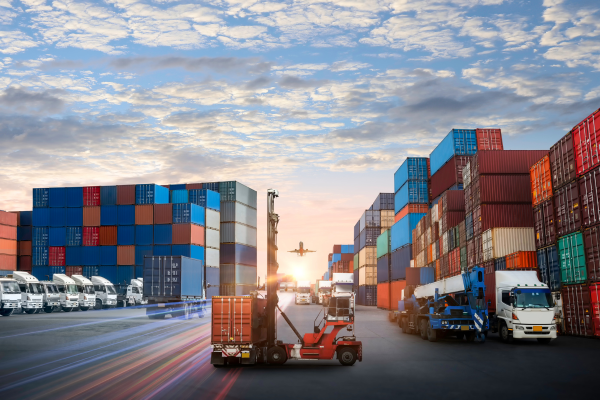
Further initiatives outlined in the budget include a INR 10,000 crore scheme to support domestic container manufacturing over five years, ensuring a robust supply chain for freight movement. The establishment of an Infrastructure Risk Guarantee Fund, dedicated REITs for public sector real estate recycling, and a INR 5,000 crore outlay for City Economic Regions in Tier-II and Tier-III cities highlight the government's effort to de-risk long-term infrastructure projects while focusing on emerging demand areas.
Experts have said these measures point to a stronger focus on greener and faster cargo movement, improved passenger mobility, and better integration of India's urban and regional transport networks. By enhancing both passenger and freight infrastructure, the government aims to support economic growth, improve connectivity for smaller cities, and make logistics more efficient and sustainable.

5th Jun, 2025

25th May, 2023

11th May, 2023

27th Apr, 2023
Advertisement








 Facebook
 Whatsapp
