Advertisement






When should a housing society in Mumbai start considering re...
From GST on JDAs to SEBI’s REIT reclassification and the S...
Stay ahead in the world of real estate with our daily podcas...
Stay ahead in the world of real estate with our daily podcas...
For many first-time renters in Dubai, air conditioning often appears to be the most critical consideration. However, as the rental market matures and tenant expectations evolve, practical lifestyle factors are playing a far greater role in decision-making. Beyond cooling, renters are closely evaluating utility structures, internet reliability, furnishing options and neighbourhood infrastructure before finalising a lease. Rising awareness of recurring costs such as electricity, water and housing fees has made transparency around utilities essential, while access to high-speed internet has become non-negotiable for work and education. At the same time, proximity to green spaces, transport links and everyday amenities is influencing long-term residential choices. These shifts highlight how renting in Dubai is increasingly shaped by liveability, convenience and cost clarity rather than just interior specifications.
Air conditioning may be essential in Dubai's extreme climate, but renters are increasingly discovering that comfortable living in the city depends on far more than temperature control. As residential demand diversifies, tenants are paying closer attention to everyday costs, infrastructure and lifestyle features that directly affect long-term affordability and convenience. Advertisement


One of the first practical considerations for tenants is electricity and water supply through the Dubai Electricity and Water Authority (DEWA). Unless utilities are included in the rental agreement, tenants must register a DEWA account in their own name before occupying a property. This process involves paying a refundable security deposit of around AED 2,000 for apartments and AED 4,000 for villas. Monthly bills for a one-bedroom apartment typically range between AED 400 and AED 800, particularly during summer. In addition, tenants are charged a housing fee equivalent to 5% of the annual rent, collected monthly through DEWA. Given that DEWA registration is mandatory for legal occupancy and internet activation, many renters now prefer properties where utilities are bundled into the rent.
Lifestyle-related questions are also becoming central to rental decisions. According to market data cited by Colife, a growing share of tenants enquire about amenities such as gyms, swimming pools, parking availability, nearby green spaces and access to public transport. These features are increasingly viewed as necessities rather than add-ons, especially among families and working professionals.
Another key decision point is whether to choose a furnished or unfurnished home. Fully furnished apartments offer immediate move-in convenience and are popular with short-term tenants and expatriates relocating without household items. However, they often come at a higher rental cost. Unfurnished properties, while requiring upfront investment in furniture, provide greater flexibility and are generally preferred by long-term residents.
Reliable internet connectivity has also become a decisive factor. High-speed fibre connections from Etisalat or du typically cost between AED 300 and AED 500 per month. For remote workers and households with multiple users, confirming internet availability and speeds before signing a lease is now standard practice.
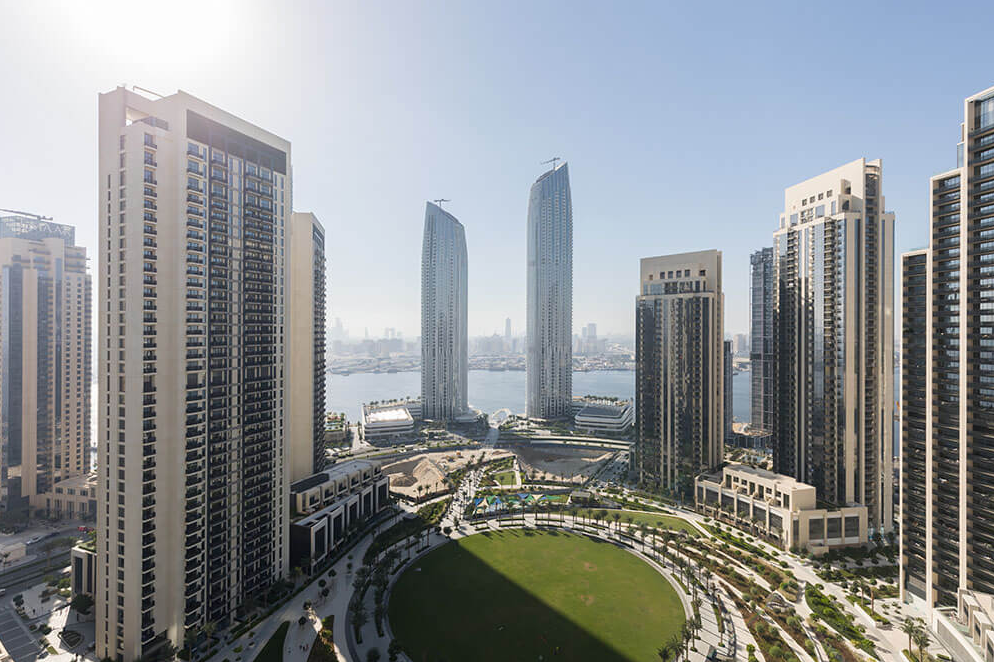
Finally, access to parks and open spaces is influencing neighbourhood preferences. Areas offering greenery and walking spaces are increasingly valued for their contribution to wellbeing, particularly in a dense urban environment. Together, these considerations reflect a broader shift in Dubai's rental market, where informed tenants prioritise functionality, transparency and quality of everyday living over single-feature appeal.

5th Jun, 2025

25th May, 2023

11th May, 2023

27th Apr, 2023
Advertisement








 Facebook
 Whatsapp
