Advertisement








When should a housing society in Mumbai start considering re...
From GST on JDAs to SEBI’s REIT reclassification and the S...
Stay ahead in the world of real estate with our daily podcas...
Stay ahead in the world of real estate with our daily podcas...
U.S. investors are warning that President Donald Trump's executive order restricting Wall Street firms from buying single-family homes may push house prices higher rather than improve affordability. While the move aims to reduce competition from large investors, market participants argue that the core issue remains limited housing supply. Measures such as encouraging sales to individuals and potentially allowing 401(k) funds for down payments could boost demand without addressing supply constraints. Although home price growth has slowed recently, investors fear the policy may worsen long-term affordability challenges.
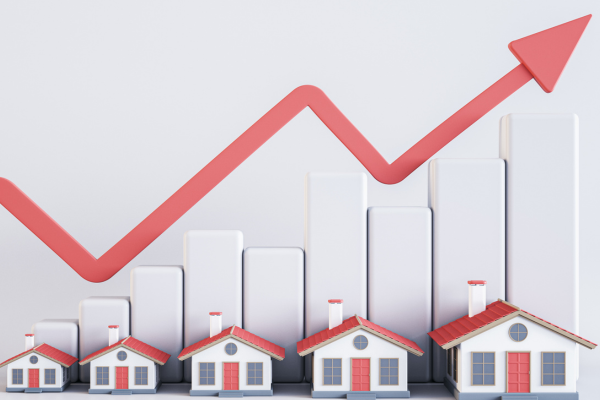
U.S. President Donald Trump's move to restrict Wall Street investors from buying single-family homes has raised concerns among market participants, who believe the measures could unintentionally add pressure on house prices instead of easing them. Advertisement


The executive order, issued earlier this week and highlighted during the President's address at the World Economic Forum in Davos, is positioned as a step towards improving housing affordability. The order asks regulators to encourage sales to individual buyers, issue guidance to stop federal housing programmes from supporting purchases by large institutional investors, and apply closer antitrust scrutiny to bulk home acquisitions. It also urges Congress to formally embed these changes into law.
Investors, however, argue that the policy focuses on demand rather than supply. Market participants noted that housing affordability challenges in the U.S. are largely driven by limited supply, not a lack of buyers. By reducing competition from institutional investors without significantly increasing housing stock, the measures could stimulate demand and put upward pressure on prices.
Concerns were also raised about related steps under consideration by the administration. The White House's economic adviser had indicated in the past week that the government plans to allow 401(k) retirement funds to be used for home down payments, with further details expected shortly. Investors warned that such steps could further boost demand in an already tight market.
The administration has previously signalled efforts to lower construction costs, but investors pointed out that meaningful increases in housing supply are difficult at the federal level. Zoning rules and development approvals are largely controlled by local governments, limiting Washington's ability to accelerate new construction at scale.
U.S. home prices have climbed sharply since Trump's first election win in 2016, rising by about 75%, far outpacing broader consumer price inflation. That said, price growth has slowed recently. Data released late last year by the Federal Housing Finance Agency showed national home prices were up just 1.7% year-on-year in October, marking the slowest pace of growth in over 13 years. Housing supply has also shown gradual improvement over the past year, according to the National Association of Realtors.
Industry groups continue to push for policies that reduce the cost of building homes. The National Association of Home Builders has said it is engaging with the administration to support measures that could bring down production costs. Its leadership has also argued that corporate investment has helped drive new home construction rather than hinder it.
Large institutional landlords such as Blackstone, American Homes 4 Rent and Progress Residential expanded their presence in the single-family rental market after the 2008 financial crisis, when foreclosures were widespread. Government data shows that by mid-2022, such firms owned about 3% of all single-family rental homes in the U.S. These companies have consistently denied that their activity has fuelled house price inflation, instead pointing to long-standing supply constraints. Blackstone has stated that it has been a net seller of homes over the past decade.
Policy analysts have also warned that restricting institutional buyers could have side effects. The AEI Housing Center recently cautioned that since institutions account for a significant share of demand for purpose-built rental homes, tighter rules could slow construction in that segment.
Despite the uncertainty, housing-related stocks have shown resilience. Shares of Blackstone and American Homes 4 Rent were trading higher in the latest session, while the Philadelphia Housing Sector Index has gained over 8% so far this year after ending last year in negative territory.
The White House did not respond to requests for comment on investor concerns.
Source Reuters

5th Jun, 2025

25th May, 2023

11th May, 2023

27th Apr, 2023
Advertisement








 Facebook
 Whatsapp
