Advertisement










Private equity has played a significant role in shaping Indi...
In today’s real estate landscape, fitness is often treated...
In this episode of Prop Personalities, we sit down with Hars...
Luxury real estate is one of the most talked-about segments ...
Welcome to Prop Personalities by Prop News Time - a podcast ...
The Brihanmumbai Municipal Corporation has issued revised guidelines to curb selective demolitions and fragmented road widening across Mumbai. The new framework standardises and digitises no-objection certificates for road-related demolitions, ensuring widening work is carried out in complete, connected stretches. It also sets clear rules for rehabilitating affected properties, offering resettlement with additional Floor Space Index where applicable. The guidelines require timely start of roadworks after demolitions, backed by approved budgets and tenders. By defining road priorities, limiting project scope, and improving inter-departmental coordination, the BMC aims to improve transparency, protect residents rights, and deliver smoother, more efficient urban road infrastructure.
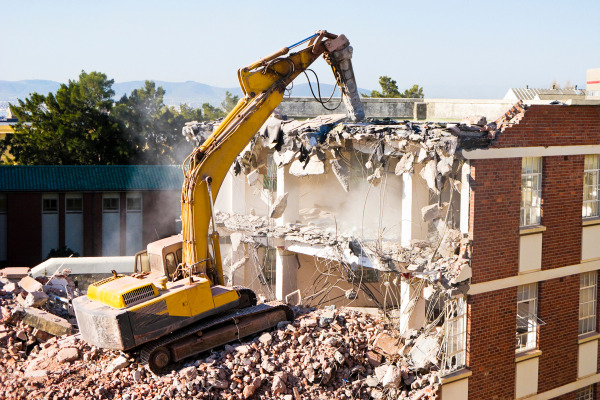
The Brihanmumbai Municipal Corporation has released revised guidelines to prevent selective demolition of properties and fragmented road widening projects across Mumbai. The update responds to longstanding concerns that previous practices often led to uneven roadwork, unclear priorities, and delays, affecting connectivity and urban infrastructure. Advertisement


Under the new rules, the BMC will standardise and digitise the issuance of no-objection certificates required for demolitions or modifications to existing roads, Development Plan (DP) roads, and Road Line (RL) roads. These measures ensure road widening is carried out in complete, contiguous sections rather than in disconnected stretches. Civic departments will coordinate more closely, strengthening accountability and transparency throughout the process.
The framework also provides for removal and rehabilitation of tolerated or protected structures that obstruct road projects. Property owners affected by demolitions can be resettled with an additional Floor Space Index of up to 4.0 on plots used for rehabilitation, following relevant policy conditions. This approach aims to safeguard residents rights while enabling smoother infrastructure development.
The revised guidelines require that road development begins promptly after demolitions, once budgets and tenders are in place. A zonal Road Priority List must be approved by the deputy municipal commissioner, and any changes need clearance from the additional municipal commissioner. To prevent overextension and mismanagement, projects can involve no more than three roads or 100 affected persons at a time without further justification and higher-level approval.
These measures also strengthen the civic body's commitment to technology-driven governance and ease of business while protecting public interest. The structured approach ensures road projects are implemented consistently, and residents rehabilitation is conducted fairly and transparently.

5th Jun, 2025

25th May, 2023

11th May, 2023

27th Apr, 2023
Advertisement





 Facebook
 Whatsapp
