Advertisement










Private equity has played a significant role in shaping Indi...
In today’s real estate landscape, fitness is often treated...
In this episode of Prop Personalities, we sit down with Hars...
Luxury real estate is one of the most talked-about segments ...
Welcome to Prop Personalities by Prop News Time - a podcast ...
India's global capability centre ecosystem is undergoing a decisive shift as Tier II cities gain prominence alongside established metropolitan hubs. Driven by cost efficiency, expanding talent pools and supportive government policies, these emerging locations are increasingly attracting multinational corporations. With a rising share of new GCC demand expected from non-metro markets, Tier II cities are positioned to play a central role in India's next phase of technology-led and innovation-driven growth.
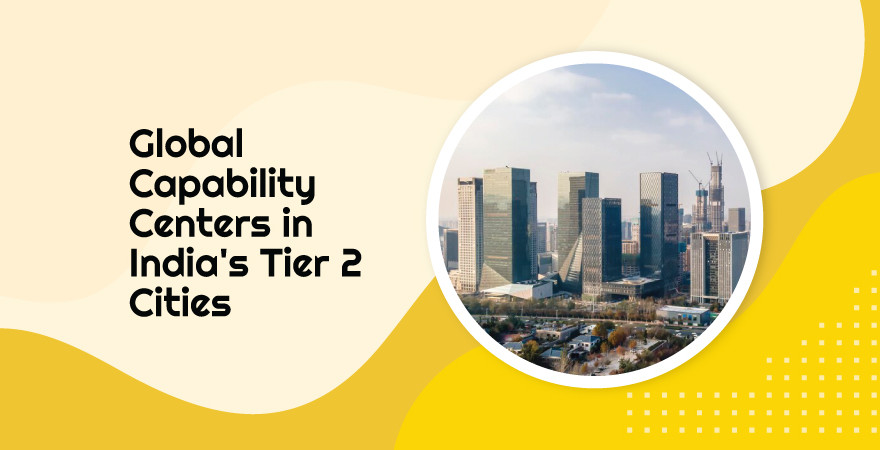
India's global capability centres have evolved into critical engines of innovation, digital transformation and enterprise resilience, moving far beyond their earlier role as back-office support units. As these centres take on higher-value functions and strategic responsibilities, the geography of GCC expansion within India is also changing. Advertisement


For years, major metropolitan cities such as Bengaluru, Hyderabad, Chennai, Mumbai and Delhi NCR dominated the GCC landscape. However, rising operational costs, talent saturation and infrastructure pressures in these markets have prompted companies to reassess their location strategies. This reassessment has brought Tier II cities firmly into focus, positioning them as the next growth frontier for GCC-led expansion.
Industry assessments suggest that a growing number of GCCs are already operating in Tier II locations, with a significant proportion of future demand expected to originate from these cities. Their appeal lies primarily in cost efficiency, as operating expenses in non-metro markets are substantially lower than in large urban centres. Reduced real estate costs, affordable living expenses and lower salary pressures allow companies to maintain operational efficiency while reallocating savings towards innovation, research and workforce development.
Equally important is the availability of skilled talent. Tier II cities are emerging as reliable sources of engineers, data scientists and technology professionals, many of whom prefer employment opportunities closer to their hometowns. This dynamic has contributed to lower attrition levels and more stable workforce structures for GCCs operating in these regions. Companies are increasingly recognising the depth and quality of talent available outside traditional metro hubs.
Policy support has further accelerated this shift. State governments have introduced targeted incentives, streamlined approval processes and infrastructure initiatives aimed at decentralising technology-led growth. National-level measures, including tax incentives and simplified foreign investment clearances, have strengthened the overall business environment for GCCs in Tier II and Tier III cities. Purpose-built destinations such as GIFT City have also enhanced India's attractiveness by offering regulatory and tax advantages tailored to global enterprises.
As infrastructure, connectivity and digital ecosystems continue to improve, cities such as Jaipur, Chandigarh, Coimbatore, Vadodara, Indore and Nagpur are gaining visibility as emerging GCC destinations. With multinational corporations already expanding their presence in these markets, Tier II cities are set to play an increasingly central role in shaping India's GCC growth trajectory, supporting more balanced regional development while reinforcing the country's position as a global capability hub.
Disclaimer:
The views, opinions, and information expressed in this article are solely those of the author and do not necessarily reflect the views of Prop News Time. The content has not been independently verified or endorsed by Prop News Time. Readers are advised to exercise their own discretion and seek professional advice if required.

5th Jun, 2025

25th May, 2023

11th May, 2023

27th Apr, 2023
Advertisement





 Facebook
 Whatsapp
