Advertisement










Private equity has played a significant role in shaping Indi...
In today’s real estate landscape, fitness is often treated...
In this episode of Prop Personalities, we sit down with Hars...
Luxury real estate is one of the most talked-about segments ...
Welcome to Prop Personalities by Prop News Time - a podcast ...
Around 192 residents were evacuated from a residential building in Surat after a compound wall collapsed in heavy rain, prompting safety concerns and immediate action by local authorities. No casualties were reported, but officials said the structural damage posed significant risk, leading to the temporary displacement of families. Municipal engineers are conducting a detailed safety assessment before any re-entry is permitted, and alternative accommodation is being arranged for affected residents.
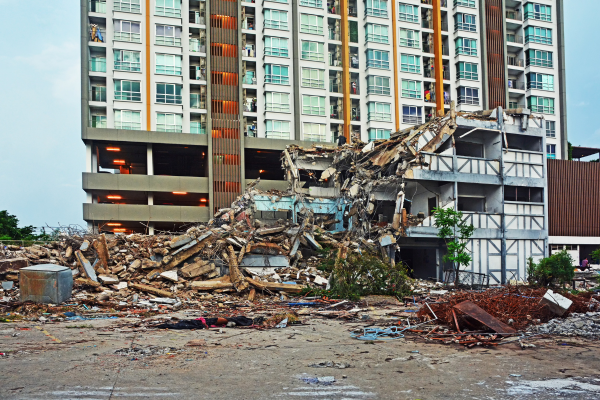
Local authorities in Surat evacuated 192 residents from a multi-storey residential building after a compound wall adjoining the property collapsed following heavy rainfall. The collapse raised immediate safety concerns about the structural stability of the adjoining building and surrounding areas, prompting swift action by the municipal corporation and emergency services. Advertisement


Officials said that, although no casualties or serious injuries were reported, the debris from the fallen wall posed a risk to residents and passers-by. In response, the building's occupants were asked to vacate their homes as a precautionary measure while engineers carried out a safety inspection of the site.
The Surat Municipal Corporation has deployed structural engineers to assess the extent of damage and determine whether the building and surrounding structures are safe for re-occupation. Residents were provided temporary accommodation arrangements pending the completion of the safety audit.
Municipal officials noted that heavy rains in the region had contributed to soil erosion around the base of the compound wall, weakening its foundation and leading to collapse. They emphasised the need for routine maintenance of peripheral structures in residential complexes to ensure safety during periods of intense weather.
The civic body has instructed local building welfare committees to review the condition of compound walls and other boundary structures and to take remedial action where necessary. Authorities said the safety of residents remains a top priority, and that any patterns of infrastructural vulnerability will be addressed in coordination with residents associations and engineers.

5th Jun, 2025

25th May, 2023

11th May, 2023

27th Apr, 2023
Advertisement





 Facebook
 Whatsapp
