Advertisement








When should a housing society in Mumbai start considering re...
From GST on JDAs to SEBI’s REIT reclassification and the S...
Stay ahead in the world of real estate with our daily podcas...
Stay ahead in the world of real estate with our daily podcas...
"Brazil’s Supreme Court has reaffirmed Indigenous land protections, ruling that lawmakers cannot strip communities of their ancestral territories. The majority decision establishes these rights as entrenched clauses in the constitution, countering recent attempts by Congress to limit recognition of reservations. While the ruling upholds Indigenous claims, it allows current landowners to retain use of disputed lands until compensated, a process that could take years. Indigenous groups have warned that ongoing legal challenges and delayed demarcations may increase violence, highlighting the continued tension between traditional communities and the country’s agricultural lobby. "
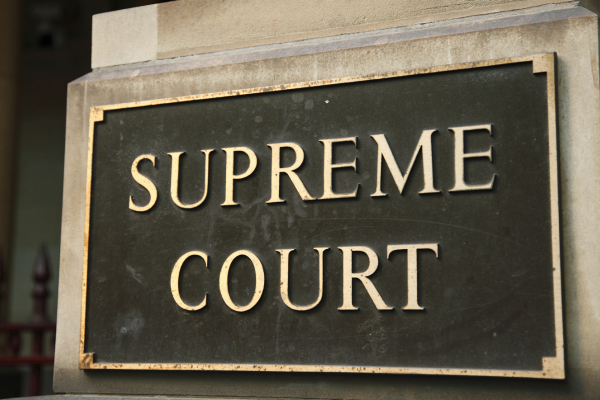
Brazil’s Supreme Court has reinforced protections for Indigenous lands, blocking congressional efforts to limit the recognition of reservations. Six of the 10 justices voted to make Indigenous land rights permanent under the constitution, preventing lawmakers from removing these protections, according to Deborah Duprat, a former federal prosecutor with decades of experience in Indigenous rights. She said the decision sends an important signal to Congress. Advertisement


Although four justices have not yet expressed their positions, the majority ruling stands. The 1988 constitution had recognized Indigenous rights to ancestral territories, but formal demarcation has been delayed for decades, leaving hundreds of communities without official recognition and vulnerable to violent land conflicts.
In recent years, resistance to Indigenous claims has increased, driven by a powerful farm lobby supported by Brazil’s conservative lawmakers. A 2023 law had sought to limit protections for lands not proven to be occupied when the constitution was enacted. Lawmakers argued that this cutoff date safeguarded landowners who were unaware of Indigenous claims when purchasing property.
The Supreme Court’s recent ruling comes as Congress was moving to amend the constitution in line with the 2023 law. Some justices emphasized that fundamental rights cannot be amended or reduced. Justice Flavio Dino stated that the legislative branch cannot suppress rights guaranteed to Indigenous peoples without violating Brazil’s democratic principles.
The dispute reflects a longstanding clash between Congress and defenders of Indigenous and traditional community rights. Indigenous groups aim to correct historical injustices that undermined their cultures, while the agricultural lobby focuses on commercial land use for farming.
The court also introduced a compromise, allowing current landowners to continue using disputed areas until the government provides compensation. These payments may take years due to federal budget constraints. Justice Gilmar Mendes set a new 10-year deadline for completing territorial demarcations, a process that has lingered for almost four decades.
While the agribusiness caucus welcomed some concessions in the ruling, they remain committed to pushing for a 1988 cutoff to limit new Indigenous reservations and ensure legal certainty. Indigenous organizations, however, caution that providing additional legal tools to challenge land rights could increase violence against communities. Last year, 211 Indigenous people were killed in Brazil, many in land disputes.
Auzerina Duarte Macuxi, a lawyer representing Indigenous organizations in the Amazon, celebrated the court’s decision to override the 1988 cutoff but warned that the 10-year demarcation deadline could trigger future conflicts. She noted that in prolonged disputes, the most vulnerable communities are often the ones who suffer the most.
Source PTI

5th Jun, 2025

25th May, 2023

11th May, 2023

27th Apr, 2023
Advertisement








 Facebook
 Whatsapp
