Advertisement








When should a housing society in Mumbai start considering re...
From GST on JDAs to SEBI’s REIT reclassification and the S...
Stay ahead in the world of real estate with our daily podcas...
Stay ahead in the world of real estate with our daily podcas...
Asset reconstruction companies (ARCs) in India are set to nearly double recoveries from stressed highway projects by fiscal 2027, potentially exceeding 120 per cent of the security receipts issued. Projects that were stressed between FY17 and FY19 are now becoming viable due to debt haircuts, higher traffic growth, improved toll collections, and timely annuity payments from NHAI. Legal mechanisms such as arbitration and conciliation are aiding faster dispute resolution, especially for terminated projects. These developments reflect a strengthening recovery environment for highway assets under the build-operate-transfer model.
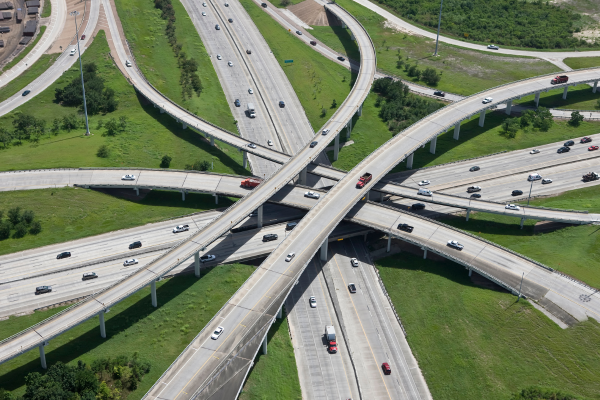
Asset reconstruction companies in India are likely to see a substantial rise in recoveries from stressed road projects by fiscal 2027, according to Crisil Ratings. Their analysis of 2,500 lane kilometres of operational projects and 1,000 lane kilometres of terminated projects suggests that cumulative recoveries could exceed 120 per cent of the face value of security receipts issued by ARCs. This growth is attributed to improved project viability, higher traffic, and timely resolution of outstanding disputes. Advertisement


Many of these highway projects faced stress between fiscal 2017 and 2019 due to construction delays, cost overruns, and challenges in land acquisition. A significant portion of the stressed assets, mostly built under the build-operate-transfer (BOT) model, were acquired by ARCs between 2019 and 2022 at steep haircuts, averaging 44 per cent of the principal outstanding debt. This restructuring reduced the debt burden, making projects financially sustainable and allowing ARCs to plan recoveries more efficiently.
Traffic growth on these roads has been around 9 per cent annually between fiscals 2022 and 2025, while delayed construction and pending right-of-way issues have largely been addressed. Toll collections and annuity payments from the National Highways Authority of India have also strengthened project cash flows. Improved cash flows and legal frameworks under the Insolvency and Bankruptcy Code have enhanced the ability of ARCs to manage operational stressed assets and even consider terminated projects for acquisition.
Financial ratios of these assets show positive trends. The ratio of outstanding debt to pending annuities fell from 0.57 in fiscal 2024 to 0.33 in fiscal 2025, while the ratio of debt to annual toll collections decreased slightly from 4.90 to 4.76. With traffic expected to grow by another 4-5 per cent next fiscal, these ratios are likely to improve further, making projects more attractive for refinancing or resale.
Prudent valuations at acquisition have helped ARCs accelerate recoveries by 12-18 months compared with earlier projections. For terminated assets, recoveries depend on legal processes such as arbitration and conciliation. NHAI's conciliation mechanism, for instance, settled claims worth around INR 35,000 crore between fiscals 2022 and 2024, up from INR 24,000 crore in the preceding period, demonstrating how dispute resolution supports overall recoveries.
Source: Crisil Ratings Limited Press Bureau

5th Jun, 2025

25th May, 2023

11th May, 2023

27th Apr, 2023
Advertisement








 Facebook
 Whatsapp
