Advertisement








When should a housing society in Mumbai start considering re...
From GST on JDAs to SEBI’s REIT reclassification and the S...
Stay ahead in the world of real estate with our daily podcas...
Stay ahead in the world of real estate with our daily podcas...
The government has confirmed plans to introduce a satellite-based toll collection system across national highways by the end of 2026. The new model will allow vehicles to move without stopping at toll plazas by using satellite tracking, AI tools, and Automatic Number Plate Recognition, integrated with FastTag. The system is expected to reduce congestion, cut fuel consumption, and improve toll efficiency. Officials estimate fuel savings of about INR 1,500 crore and a revenue increase of nearly INR 6,000 crore once the system is fully operational nationwide.
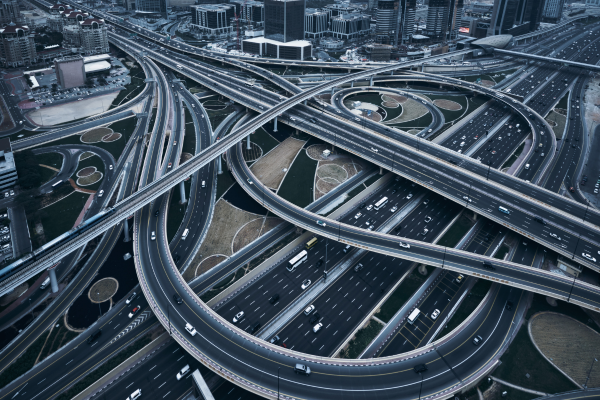
India's road transport ministry has stated that a satellite-based toll collection system will be implemented across national highways by the end of 2026, replacing physical toll booths with a fully digital and barrier-free mechanism. The system will calculate toll charges based on the distance travelled and deduct the amount automatically without requiring vehicles to slow down or stop. Advertisement


The new tolling framework will use satellite tracking technology combined with Artificial Intelligence and Automatic Number Plate Recognition cameras. These tools will work alongside the existing FastTag system to ensure accurate vehicle identification and real-time toll deduction. Under this setup, vehicles will be able to pass through toll points at regular highway speeds, reducing congestion and travel delays.
The transport ministry has indicated that the shift to multi-lane free flow tolling will bring operational and economic benefits. The government estimates that fuel savings could reach around INR 1,500 crore annually due to reduced idling and smoother traffic movement. At the same time, toll revenue is expected to rise by approximately INR 6,000 crore through improved compliance and reduced leakage.
Earlier, FastTag reduced waiting times but still required toll plazas and lane-based slowing. The upcoming system removes that dependency by creating virtual tolling points mapped through satellite coordinates. Toll booths will gradually be phased out, though the rollout will happen in stages, with select highway stretches used for testing before nationwide expansion.
Officials have also highlighted stricter oversight of contractors involved in highway projects. Contractors failing to meet performance or quality standards may be barred from bidding for future projects for a defined period. The ministry clarified that the satellite-based toll system will apply only to national highways, while toll policies on state roads and urban roads remain under separate jurisdictions.
The initiative follows India's broader push to modernise road infrastructure using digital tools. From manual toll collection to RFID-based FastTag, the upcoming satellite-linked system marks the next phase in highway tolling, aimed at improving efficiency, transparency, and commuter experience without increasing physical infrastructure.
Source PTI

5th Jun, 2025

25th May, 2023

11th May, 2023

27th Apr, 2023
Advertisement








 Facebook
 Whatsapp
