Advertisement








When should a housing society in Mumbai start considering re...
From GST on JDAs to SEBI’s REIT reclassification and the S...
Stay ahead in the world of real estate with our daily podcas...
Stay ahead in the world of real estate with our daily podcas...
The Delhi–Dehradun Expressway, a 212 km access-controlled highway built at a cost of INR 12,000 crore, is expected to open for public use within the next few weeks. The project is designed to reduce travel time between Delhi and Dehradun from about 6.5 hours to nearly two hours. Developed in four sections, the expressway includes elevated corridors, wildlife underpasses, and multiple bridges. It is expected to improve connectivity, ease congestion, and support economic activity across Delhi, Uttar Pradesh, and Uttarakhand.
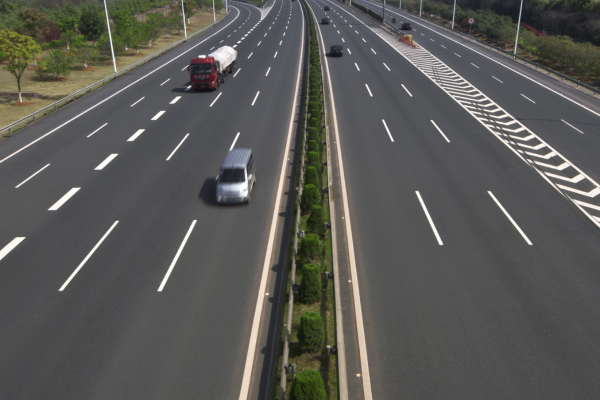
The Delhi–Dehradun Expressway is close to becoming operational, with the Union Road Transport Minister informing Parliament that the highway is expected to open for traffic within the next 10–15 days. Once opened, the expressway will significantly reduce the travel time between the national capital and Dehradun to around two hours, compared to the current journey that often exceeds six hours due to congestion and urban traffic. Advertisement


The expressway stretches across 212 km and has been developed as a six-lane, access-controlled corridor with scope for future expansion. The project has been built at an estimated cost of INR 12,000 crore and is aimed at providing faster and safer connectivity between Delhi, western Uttar Pradesh, and Uttarakhand. It begins near Akshardham in Delhi and passes through key districts including Baghpat, Shamli, and Saharanpur before terminating in Dehradun.
Construction of the expressway has been divided into four sections to ensure phased execution. The design includes a 12 km elevated stretch, two elephant underpasses, six animal underpasses, two major bridges, and 13 minor bridges. These features were incorporated to address environmental concerns, especially in forest and wildlife-sensitive zones between Ganeshpur and Dehradun, while maintaining uninterrupted traffic flow.
The project was approved in 2020, and the foundation stone was laid by the Prime Minister towards the end of 2021. While construction faced delays due to land acquisition issues and environmental clearances, most sections have now been completed. Trial runs have already been conducted on certain stretches to assess traffic readiness and safety measures before opening the expressway to the public.
Once operational, the expressway is expected to reduce pressure on the existing National Highway-58, which currently handles most of the traffic between Delhi and Uttarakhand. It is also expected to improve freight movement, support tourism, and provide better access to towns and cities along the route.
Source PTI

5th Jun, 2025

25th May, 2023

11th May, 2023

27th Apr, 2023
Advertisement








 Facebook
 Whatsapp
