Advertisement








When should a housing society in Mumbai start considering re...
From GST on JDAs to SEBI’s REIT reclassification and the S...
Stay ahead in the world of real estate with our daily podcas...
Stay ahead in the world of real estate with our daily podcas...
A Delhi Metro station operated by the Delhi Metro Rail Corporation has received the National Energy Conservation Award for its strong focus on energy efficiency and sustainable operations. The recognition highlights the station's use of energy-saving technologies such as efficient lighting, smart monitoring systems and renewable energy integration, including solar power. DMRC's wider sustainability efforts, including regenerative braking, building management systems and optimised power usage, have helped reduce energy consumption and operating costs. Officials said the award reflects the metro network's long-term commitment to green urban transport. The practices adopted at the awarded station are being replicated across the network, reinforcing Delhi Metro's role as a benchmark for sustainable public infrastructure.
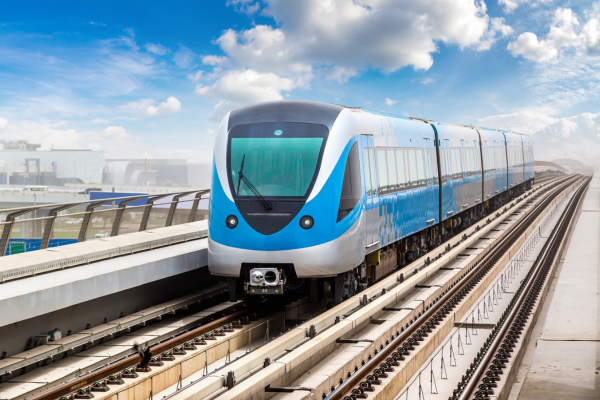
A station on the Delhi Metro network operated by the Delhi Metro Rail Corporation (DMRC) has been honoured with a National Energy Conservation Award for its exemplary performance in energy efficiency and sustainable operations, officials said on Monday. The recognition was conferred as part of the annual national awards programme instituted to promote best-in-class practices in energy conservation among public and private infrastructure entities. Advertisement


The award highlights the station's adoption of energy-efficient technologies, smart monitoring systems and renewable energy integration, which together have contributed to significant reductions in overall power consumption. DMRC's sustainability efforts include the use of regenerative braking in its trains, energy-efficient lighting, building management systems and the installation of solar panels measures that have helped reduce operational costs while minimising environmental impact.
A senior DMRC spokesperson said the accolade reflects the corporation's long-standing commitment to embedding sustainability at the core of urban transit operations. They noted that energy conservation not only aligns with national climate goals but also enhances the reliability and cost-effectiveness of metro services for commuters. The recognition of the station was described as a testament to the organisation's focus on green infrastructure and continuous improvement in performance metrics.
Officials added that the Delhi Metro network has steadily expanded its portfolio of energy-saving measures across multiple stations, including efforts to optimise heating, ventilation and air-conditioning systems, promote natural ventilation where feasible, and leverage real-time data analytics to fine-tune energy usage patterns. In doing so, DMRC has sought to align its growth trajectory with emerging standards for sustainable transport infrastructure.
Energy experts have pointed out that urban rail systems such as the metro have a critical role to play in reducing the carbon footprint of city transport, as they offer high-capacity, electrified alternatives to road-based vehicles. With India's climate targets demanding significant emissions reductions over the coming decade, recognitions such as the National Energy Conservation Award serve to spotlight best practices in public transport operations.
The spokesperson said that while the award was conferred on a specific station, the broader lessons and technologies it embodies are being shared with other parts of the network to replicate gains. The DMRC is reportedly planning further investments in renewable energy projects and smart energy management solutions as part of its ongoing sustainability roadmap, which seeks to balance growth with operational efficiency and environmental stewardship.
Source: PTI

5th Jun, 2025

25th May, 2023

11th May, 2023

27th Apr, 2023
Advertisement








 Facebook
 Whatsapp
