Advertisement








When should a housing society in Mumbai start considering re...
From GST on JDAs to SEBI’s REIT reclassification and the S...
Stay ahead in the world of real estate with our daily podcas...
Stay ahead in the world of real estate with our daily podcas...
The Delhi government has transferred execution responsibility for the Munak Canal elevated road project to the National Highways Authority of India (NHAI), while funding, land acquisition, and coordination will remain with the Public Works Department (PWD). The 20 kilometre elevated corridor from Inderlok to Bawana is expected to reduce travel time by up to 40% and ease congestion at key junctions. Estimated at around INR 4,700 crore, the project will take approximately three years to complete after tendering. It will connect with major roads, including Urban Extension Road II, strengthening citywide transport infrastructure.
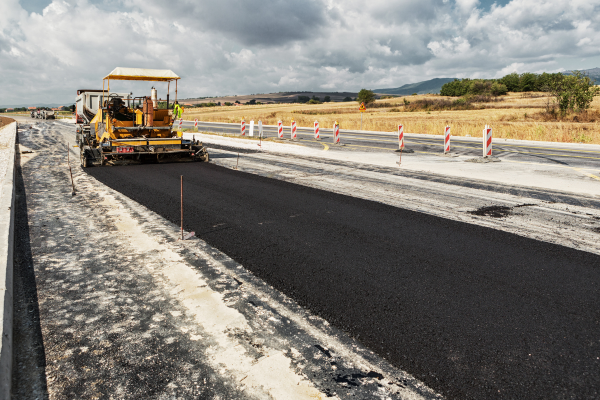
The Delhi government has assigned execution of the Munak Canal elevated road project to the National Highways Authority of India (NHAI), while retaining funding, land acquisition, and inter-agency coordination under the Public Works Department (PWD). The project spans nearly 20 kilometres between Inderlok and Bawana in northwest Delhi and is being developed as a signal-free elevated corridor aimed at reducing congestion and cutting travel times by around 40%. Advertisement


Officials said the elevated road will provide a smoother connection across critical junctions such as Mukarba Chowk, improve traffic flow, and link seamlessly with the Outer Ring Road and Urban Extension Road II. The alignment along the Munak Canal leverages existing infrastructure corridors to optimise land use while maintaining the canal's water supply function.
The total project cost is estimated at INR 4,700 crore. Construction is expected to take approximately three years once tenders are issued and contracts are awarded. The PWD is actively coordinating land acquisition, environmental clearances, and liaison with Haryana authorities, as portions of the project extend close to the Delhi-Haryana border.
Earlier planning had included a detailed project report (DPR) that outlined the elevated corridor's design, structural requirements, and integration with Delhi's wider transport network. By situating the road along the Munak Canal, authorities aim to reduce urban travel pressure while maintaining the canal's role in supplying water from the Western Yamuna Canal to Delhi.
This collaboration between the Delhi government, PWD, and NHAI reflects a broader approach of utilising specialised agencies for execution while keeping local administration responsibilities under government departments. It also builds on previous infrastructure coordination efforts, ensuring alignment with citywide traffic management strategies and enhancing overall connectivity in the northwest Delhi corridor.

5th Jun, 2025

25th May, 2023

11th May, 2023

27th Apr, 2023
Advertisement








 Facebook
 Whatsapp
