Advertisement










Private equity has played a significant role in shaping Indi...
In today’s real estate landscape, fitness is often treated...
In this episode of Prop Personalities, we sit down with Hars...
Luxury real estate is one of the most talked-about segments ...
Welcome to Prop Personalities by Prop News Time - a podcast ...
Bhopal Metro's Orange Line corridor has seen a notable drop in passenger numbers after the operator revised its schedule earlier this week. The new timetable delayed the first service to noon, reduced daily trips from 17 to 13, and fixed a frequency of 75 minutes between trains. On the first day under this plan, only 434 passengers boarded, down from an initial daily average of around 2,800. Metro authorities said the change aligns services with actual demand, but limited hours and fewer trips have clearly affected commuter convenience and ridership trends.
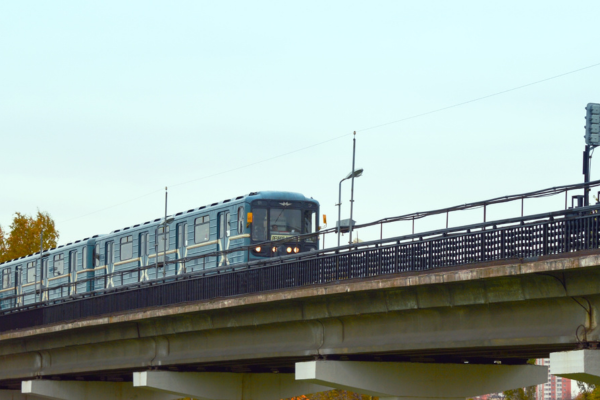
Bhopal Metro's ridership fell sharply after changes to the timetable reduced the number of daily trips on the Orange Line connecting AIIMS Bhopal to Subhash Nagar depot. Previously, the corridor was averaging around 2,800 passengers per day, but the first day under the revised schedule recorded only 434 boardings across 13 trips. Advertisement


The new timetable, effective earlier this week, delayed the first train from AIIMS to 12:00 noon and cut total trips from 17 to 13. Seven trains now depart from AIIMS and six from Subhash Nagar, with a fixed interval of 75 minutes. The last train leaves AIIMS at 19:30, while Subhash Nagar services run until 18:55. Metro officials said the changes were based on ridership assessments and intended to better match service with commuter demand.
The Orange Line, inaugurated in late December, covers eight stations over approximately seven kilometers and marked Bhopal's entry into India's metro network. The corridor was introduced as a priority route to offer efficient travel between key points in the city. Initial ridership had been modest but stable, reflecting public interest after years of construction.
However, limited operational hours and reduced trip frequency have led to a decline in daily commuters. Reports indicate that some morning services were cancelled due to low passenger numbers, and ongoing work on approach roads has affected accessibility to stations. Residents and critics have highlighted these factors as contributing to the lower ridership.
Metro authorities maintain that the revised schedule is data-driven, but the reduced convenience has raised concerns among potential daily users. The coming weeks will be crucial to monitor whether further adjustments to timings and operational planning can stabilize passenger numbers and improve overall commuter experience.

5th Jun, 2025

25th May, 2023

11th May, 2023

27th Apr, 2023
Advertisement





 Facebook
 Whatsapp
