Advertisement










Private equity has played a significant role in shaping Indi...
In today’s real estate landscape, fitness is often treated...
In this episode of Prop Personalities, we sit down with Hars...
Luxury real estate is one of the most talked-about segments ...
Welcome to Prop Personalities by Prop News Time - a podcast ...
The Thiruvananthapuram metro project's revised Detailed Project Report (DPR) has been delayed as Kochi Metro Rail Ltd (KMRL) waits for clear guidelines on population norms under the National Metro Rail Policy, 2017. The 31 km corridor with 27 stations, connecting key hubs like Technopark, the airport, and Thampanoor, is intended to enhance urban mobility. While the core city population remains below the typical threshold, the broader metropolitan area exceeds 23 lakh, raising questions about eligibility. Preparatory civil works continue despite DPR uncertainty, reflecting ongoing commitment at the state level.
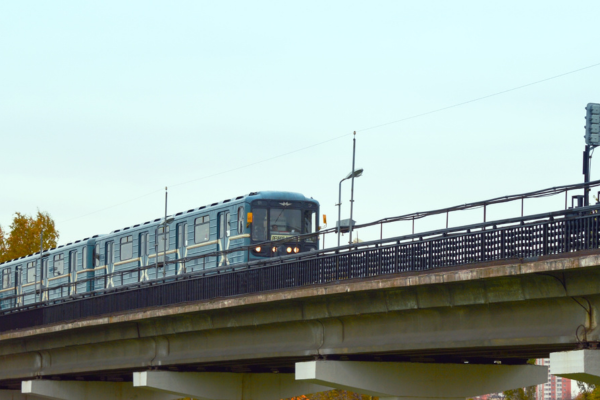
The revised Detailed Project Report (DPR) for the Thiruvananthapuram metro rail project is currently on hold as Kochi Metro Rail Ltd (KMRL) seeks definitive guidance on national population criteria needed for central approval. KMRL, in collaboration with Delhi Metro Rail Corporation (DMRC), will submit the DPR to the state government only after these norms are clarified. Advertisement


The metro alignment, finalised by the state government, runs from Pappanamcode to Enchakkal and covers major hubs including the Medical College, Kazhakkoottam, Akkulam, Technopark, the international airport, Thampanoor bus stand, railway station, and Secretariat. The plan involves about 31 km of track with 27 stations aimed at improving connectivity across the city.
KMRL's Managing Director explained that procedural compliance with the National Metro Rail Policy, 2017 is essential. The policy generally requires a minimum urban population, often cited around 20 lakh, for conventional metro projects to qualify for central approval. Past metro proposals in Coimbatore and Madurai were returned last year for failing to meet these population and ridership norms, prompting suggestions to consider alternatives like the Bus Rapid Transit System (BRTS).
Previous proposed alignments, such as from Neyyattinkara to Attingal, reportedly met population criteria more comfortably, but the current alignment faces challenges as the city's core population remains below standard benchmarks. Census 2011 placed Thiruvananthapuram city's population at around 16.8 lakh, while more recent estimates indicate just over 10.5 lakh in the urban core. However, the extended metropolitan area is projected to have more than 23 lakh residents, which could influence eligibility.
Urban planners argue that excluding the wider metropolitan region in DPR calculations may weaken the metro's case, as commuter demand often extends beyond municipal limits. They recommend considering population in adjacent growth corridors for a realistic assessment of ridership potential.
Despite the uncertainty over central approval, the state government has approved the first-phase alignment, and preparatory works are ongoing. Flyovers at Sreekaryam, Ulloor, and Pattom are under construction, reflecting efforts to maintain momentum on supporting infrastructure while policy issues are addressed. The government remains committed to advancing urban mobility in the capital despite procedural hurdles.

5th Jun, 2025

25th May, 2023

11th May, 2023

27th Apr, 2023
Advertisement





 Facebook
 Whatsapp
