Advertisement








When should a housing society in Mumbai start considering re...
From GST on JDAs to SEBI’s REIT reclassification and the S...
Stay ahead in the world of real estate with our daily podcas...
Stay ahead in the world of real estate with our daily podcas...
Delhi's Public Works Department has introduced QR codes on all existing and upcoming road signs under its jurisdiction to improve public access and monitoring. The codes will carry information on the manufacturer, manufacturing date, reflective sheeting specifications, and warranty coverage. Linked to the PWD Sewa app, they will allow citizens to report damaged or faded signage. This initiative follows a Ministry of Road Transport and Highways audit highlighting inconsistent signage standards. The step is aimed at improving uniformity, visibility, maintenance accountability, and public participation in reporting infrastructure issues.
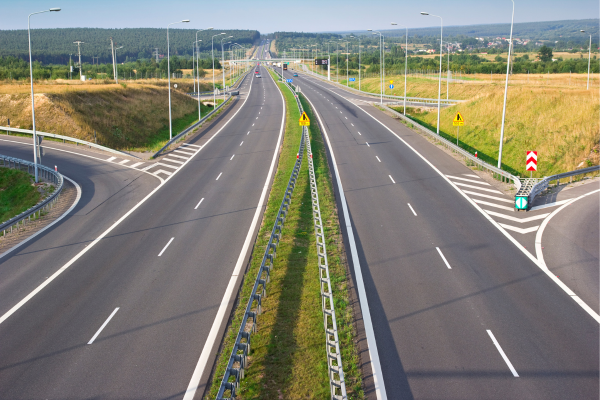
Delhi's Public Works Department (PWD) has mandated the inclusion of QR codes on all road signs under its management, covering both existing signage and those to be installed in the future. Officials said the move is intended to enhance access to information and strengthen accountability for maintenance and quality standards. Advertisement


Under the updated guidelines, retro reflective signs will carry QR codes in the bottom right corner. The codes will contain details about the manufacturer, manufacturing date, reflective sheeting code, and warranty coverage. Contractors will need to provide a 10 year warranty for print quality and colours, ensuring free replacement for defective material. A notarised affidavit on INR 100 non judicial stamp paper will validate the warranty.
The QR codes will also be linked to the PWD Sewa mobile app, allowing citizens to report damaged, faded, or misplaced signs, as well as related road defects like potholes. While the initial phase will carry basic details, the department may add more interactive features later, providing citizens with a direct complaint submission option.
This initiative follows a 2024 Ministry of Road Transport and Highways audit that pointed out non-uniform road signage in Delhi due to multiple agencies managing installations. The QR-coded signage aims to standardize visibility and quality, making it easier for authorities to track installations and for the public to participate in maintenance reporting.
PWD has instructed staff to incorporate the QR code requirement in tender documents for all future contracts, ensuring that contractors follow the new specifications during installation and maintenance. Officials emphasized that uniform signage and QR codes will improve transparency, reduce delays in maintenance, and ensure that defects are addressed promptly.

5th Jun, 2025

25th May, 2023

11th May, 2023

27th Apr, 2023
Advertisement








 Facebook
 Whatsapp
