Advertisement










Private equity has played a significant role in shaping Indi...
In today’s real estate landscape, fitness is often treated...
In this episode of Prop Personalities, we sit down with Hars...
Luxury real estate is one of the most talked-about segments ...
Welcome to Prop Personalities by Prop News Time - a podcast ...
Saudi Arabia has approved its 2026 borrowing plan with total financing needs of USD 57.86 billion, aimed at covering a projected fiscal deficit and upcoming debt repayments. The plan supports the next stage of Vision 2030, which focuses on strengthening the impact of earlier reforms. Funding will come from a mix of domestic and international debt markets, alongside a larger contribution from private financing. The government is also realigning investments away from delayed real estate projects toward logistics and religious tourism.
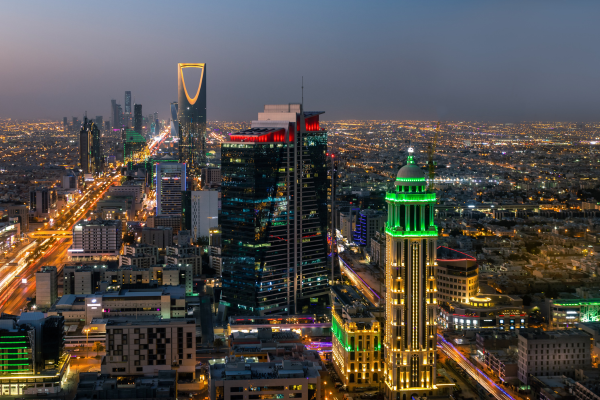
Saudi Arabia has cleared its borrowing plan for 2026, setting total financing needs at about 217 billion riyals, or USD 57.86 billion, as the government continues to fund economic diversification and manage fiscal pressures. The approval was given by the finance minister, according to an official statement from the finance ministry. Advertisement


The planned borrowing will be used primarily to cover an expected budget shortfall in the 2026 fiscal year, estimated at around USD 44 billion. The remaining portion will be allocated towards repayment of debt principal falling due in 2026, which is estimated at roughly USD 13.87 billion.
Saudi Arabia, the world's largest oil exporter, remains deeply engaged in its Vision 2030 programme, a long-term strategy aimed at reducing reliance on oil revenues. The plan involves substantial public spending across multiple sectors and has required steady access to both domestic and international funding markets.
Government budget documents indicate that 2026 will mark the beginning of the third phase of Vision 2030. This phase shifts focus from rolling out reforms to improving their effectiveness and economic returns. As part of this transition, capital deployment is being adjusted, with greater emphasis on sectors such as logistics and religious tourism.
The country's USD 925 billion sovereign wealth fund is also being repositioned. Resources are increasingly being redirected away from some large-scale real estate developments that have faced delays, toward projects that are expected to deliver faster economic impact and support non-oil growth.
On the funding side, the National Debt Management Center has outlined a diversified borrowing mix for 2026. The domestic debt market is expected to account for about 20 to 30 percent of total borrowing, while international markets are projected to contribute between 25 and 30 percent.
Private sector funding is set to play a larger role. According to the annual borrowing plan, private markets could provide up to 50 percent of total financing through tools such as infrastructure project financing and support from export credit agencies.
Source PTI

5th Jun, 2025

25th May, 2023

11th May, 2023

27th Apr, 2023
Advertisement





 Facebook
 Whatsapp
