Advertisement








When should a housing society in Mumbai start considering re...
From GST on JDAs to SEBI’s REIT reclassification and the S...
Stay ahead in the world of real estate with our daily podcas...
Stay ahead in the world of real estate with our daily podcas...
Dubai's real estate market is entering 2026 with a clear transition from momentum-driven purchases to logic-based decision-making, according to a new market report. After a record-breaking year for transactions, buyers and investors are expected to focus more on fundamentals such as connectivity, pricing, construction quality and developer credibility. Luxury housing is projected to remain the most resilient segment, while Tier-1 developers, metro-connected communities and commercial assets are likely to see sustained demand. The report highlights that projects built on strong execution, genuine scarcity and long-term usability will outperform, while developments driven primarily by hype may face growing challenges.
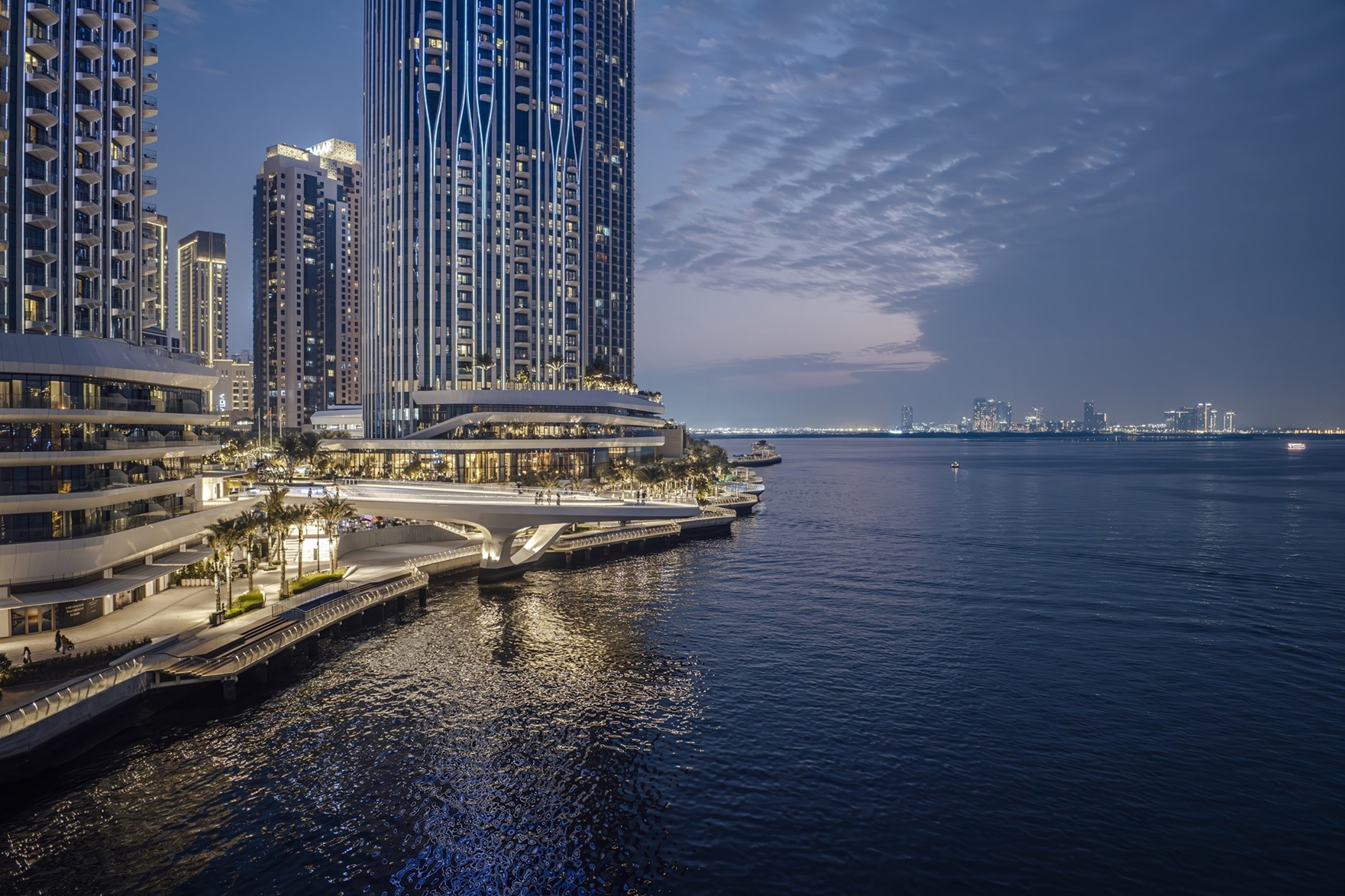
Dubai's real estate sector is moving into 2026 with buying decisions increasingly shaped by logic and fundamentals rather than momentum, even as luxury assets continue to show resilience. A detailed market report by fm Properties indicated that the coming year would reward developments offering strong connectivity, credible execution, clear lifestyle value and genuine scarcity. Advertisement


The report reviewed trends that defined 2025, noting that property transactions reached an all-time high, with 197,263 deals valued at AED 624.1 billion recorded between January and November, surpassing previous annual records with a month remaining. Buyer behaviour during the year was largely momentum-driven, with less emphasis on long-term usability, developer track record or project fundamentals.
End-user participation strengthened during the year, particularly among families opting to buy rather than rent, contributing to stability in established and well-serviced communities. The market also saw sustained inflows of global capital from regions including Europe, the UK, CIS countries, India, Africa and North America. Commercial real estate continued to expand, supported by rising demand from construction, logistics and professional services, alongside broader economic growth.
Looking ahead, the report suggested that 2026 would see a decisive shift towards selective buying, where pricing, payment structures, build quality, location and developer credibility play a central role. Ultra-luxury villas, branded residences and waterfront properties were identified as structurally undersupplied segments likely to maintain strong pricing and liquidity.
The developer landscape is expected to become more polarised, with established Tier-1 developers dominating off-plan demand. Smaller and newer developers are likely to increasingly align with large, established brokerages to offset limited delivery history and buyer confidence. Competition is also set to intensify as international developers, particularly from the United States, enter the Dubai market.
Metro connectivity is projected to be a key value driver, with communities linked to the upcoming Blue Line gaining increased appeal. Commercial assets, including office, logistics and mixed-use developments, are expected to benefit from continued infrastructure investment and corporate expansion.
According to the report, macroeconomic conditions, including easing monetary policy and renewed inflationary pressures, are likely to support real asset valuations in supply-constrained markets such as Dubai. Prime villa locations, walkable lifestyle-led communities and areas influenced by expanding rail connectivity are expected to remain key focus areas as the market moves further into 2026.

5th Jun, 2025

25th May, 2023

11th May, 2023

27th Apr, 2023
Advertisement








 Facebook
 Whatsapp
