Advertisement








When should a housing society in Mumbai start considering re...
From GST on JDAs to SEBI’s REIT reclassification and the S...
Stay ahead in the world of real estate with our daily podcas...
Stay ahead in the world of real estate with our daily podcas...
The recent rationalisation of GST is expected to lift revenue growth for organised apparel retailers by around 200 bps this fiscal, sustaining topline growth at 13-14% for the second consecutive year, according to Crisil Ratings. The uniform 5% GST on apparel priced up to INR 2,500 is likely to support demand in the mid-premium and fast-fashion segments, particularly as festive season spending increases. However, the rise in GST to 18% for items above INR 2,500 could dampen premium categories, including wedding wear and handlooms. Reduced input costs from lower cotton and synthetic fibre taxes may further support retailers.
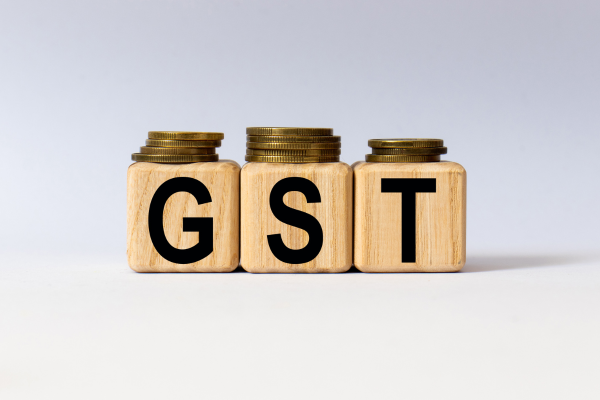
The recent goods and services tax (GST) changes are expected to provide a noticeable boost to organised apparel retailers, supporting a revenue growth increase of approximately 200 bps this fiscal. This could help maintain topline growth in the range of 13-14% for the second year running. Advertisement


Crisil Ratings noted that the GST rate reduction on apparel priced below INR 2,500 is likely to drive demand in the mid-premium segment, while fast-fashion and value-oriented categories will continue to maintain growth momentum. Though the relief is limited, it comes at a timely moment to sustain overall sales.
The shift to a uniform 5% GST-compared with the earlier dual rate of 5% for products under INR 1,000 and 12% for INR 1,000-2,500 has broadened the base of consumers, making apparel more affordable for middle-class buyers. However, the increase of GST on clothing above INR 2,500 from 12% to 18% may affect premium segments such as wedding wear, woollens, handlooms, and embroidered garments, which together make up around 35% of organised apparel sales.
Crisil Ratings Senior Director Anuj Sethi explained that extending the 5% GST slab to apparel priced up to INR 2,500 enhances price competitiveness in both fast-fashion and mid-premium categories, which cater to price-sensitive customers. With the rate reduction aligning with the festive season, demand is expected to pick up as middle-class spending rises.
This comes after six consecutive quarters of moderate growth, during which festive seasons and prolonged discounting failed to significantly boost revenue. The effects of the GST change are likely to be most visible for buyers purchasing apparel in the INR 2,500-3,500 range.
Crisil Ratings Director Poonam Upadhyay added that retailers with a higher share of premium sales may absorb part of the GST increase to maintain demand during the ongoing festive and wedding season. At the same time, lower cotton prices and the reduction of GST on synthetic fibres and yarn from 18% and 12% to 5% are expected to ease input costs.
Overall, the GST revisions align with India's shifting consumption patterns, which are increasingly shaped by rising middle-class incomes, urbanisation, and a growing preference for affordable, fashion-forward clothing.
Source PTI

5th Jun, 2025

25th May, 2023

11th May, 2023

27th Apr, 2023
Advertisement








 Facebook
 Whatsapp
