Advertisement








When should a housing society in Mumbai start considering re...
From GST on JDAs to SEBI’s REIT reclassification and the S...
Stay ahead in the world of real estate with our daily podcas...
Stay ahead in the world of real estate with our daily podcas...
Goa has inaugurated its first hazardous waste treatment plant at Pissurlem in Sattari, developed at a cost of INR 125 crore by Ponda Envocare Limited. The facility can handle 25,000 metric tonnes annually of landfillable and co-processing waste, plus 14,000 tonnes of incinerable waste, using a rotary kiln incinerator with real-time emission monitoring. Designed to prevent soil and water contamination, it integrates landfill, incineration and pre-processing units for safe disposal. Nearly 80% of the workforce are local residents employed across operations, labs, and administration, creating jobs and technical expertise. The plant marks a significant step in sustainable waste management and environmental protection in Goa.
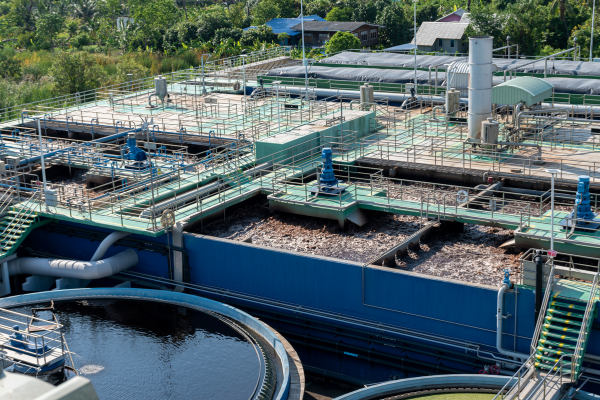
Goa has inaugurated its first hazardous waste treatment plant - the Common Hazardous Waste Treatment, Storage and Disposal Facility - at Pissurlem in Sattari taluka. The state government has overseen the project's development, with Ponda Envocare Limited executing it at a cost of about INR 125 crore. Advertisement


The state generated just over 26,000 metric tonnes of hazardous waste annually before 2020, which rose to nearly 44,873 metric tonnes during 2022-23. This waste includes landfillable, incinerable, recyclable and utilisable categories. The new facility integrates landfill, incineration and pre-processing units to enable safe co-processing with cement industries.
It has been designed to treat about 25,000 metric tonnes per annum each of landfillable and pre-/co-processing waste, and around 14,000 metric tonnes of incinerable waste. A rotary kiln incinerator with a capacity of 1.5 tonnes per hour has been installed, operating at 800-900 °C in the primary chamber and about 1,100 °C in the secondary chamber. All incinerable waste is completely destroyed, and real-time emission monitoring ensures compliance with environmental safety standards.
The facility has created substantial local employment, with nearly eighty per cent of its workforce being local residents. They are engaged across departments such as incineration operations, laboratory, maintenance, administration, accounts, human resources and engineering. Strict safety norms are enforced on-site, with staff and visitors required to wear protective gear including helmets and safety shoes. Workers have described their roles as offering professional growth and skill development opportunities.
Officials have stated that the plant has been established primarily to prevent environmental contamination. They highlighted that unregulated disposal of hazardous waste poses severe risks to soil, groundwater and surface water, and this centralised facility is designed to mitigate such threats.
The plant enables the state to handle multiple categories of hazardous waste in a controlled and safe manner, reducing the threat of land and water pollution. It also contributes to local economic development by creating employment and fostering technical expertise. By combining stringent safety measures, real-time monitoring and community involvement, this facility sets a benchmark for sustainable waste management practices in the region.
Source: PTI

5th Jun, 2025

25th May, 2023

11th May, 2023

27th Apr, 2023
Advertisement








 Facebook
 Whatsapp
