Advertisement








When should a housing society in Mumbai start considering re...
From GST on JDAs to SEBI’s REIT reclassification and the S...
Stay ahead in the world of real estate with our daily podcas...
Stay ahead in the world of real estate with our daily podcas...
The Union Cabinet has approved the doubling of the 104 km Bakhtiyarpur-Rajgir-Tilaiya railway line in Bihar with an investment of INR 2,192 crore. The project will enhance rail connectivity, improve service reliability, and boost freight and passenger capacity across four districts. Covering around 1,434 villages and benefitting 13.46 lakh people, the line connects important destinations like Rajgir, Nalanda, and Pawapuri. It also supports freight movement for commodities like coal, cement, clinker, and fly ash, while reducing oil imports and CO? emissions. The initiative aligns with the PM-Gati Shakti plan for integrated infrastructure.
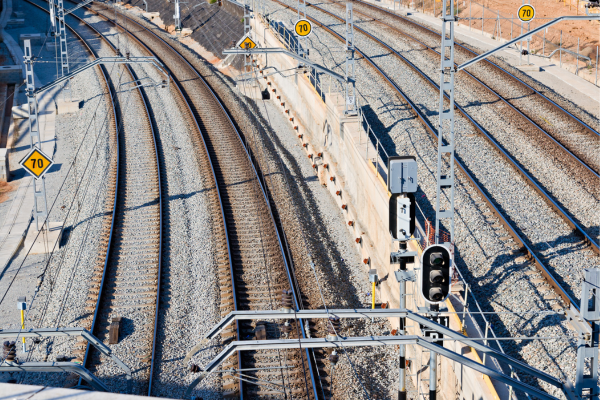
The Union Cabinet has sanctioned the doubling of the 104 km single-track Bakhtiyarpur-Rajgir-Tilaiya railway line in Bihar, with an estimated cost of INR 2,192 crore. This decision was taken at a Cabinet Committee on Economic Affairs meeting chaired by Prime Minister Narendra Modi. Railway Minister Ashwini Vaishnaw highlighted that the project will extend the Indian Railways network and improve connectivity across four districts. Advertisement


The line passes through key destinations such as Rajgir, Nalanda, and Pawapuri, which are significant for tourism and pilgrimage. Doubling the tracks is expected to improve operational efficiency, reduce congestion, and provide faster, more reliable service for both passengers and freight. It will benefit around 1,434 villages and two aspirational districts, Gaya and Nawada, reaching a population of approximately 13.46 lakh.
In freight terms, the line handles coal, cement, clinker, and fly ash. Doubling will allow an additional 26 million tonnes of freight annually. As rail transport is energy-efficient, this expansion is projected to reduce oil imports by five crore litres and lower CO2 emissions by 24 crore kg, equivalent to planting one crore trees.
The project also aims to support regional development, creating employment and self-employment opportunities. It is part of the PM-Gati Shakti National Master Plan, which emphasizes integrated planning and multi-modal connectivity to enhance logistical efficiency across the country.

5th Jun, 2025

25th May, 2023

11th May, 2023

27th Apr, 2023
Advertisement








 Facebook
 Whatsapp
