Advertisement








When should a housing society in Mumbai start considering re...
From GST on JDAs to SEBI’s REIT reclassification and the S...
Stay ahead in the world of real estate with our daily podcas...
Stay ahead in the world of real estate with our daily podcas...
Indian Railways has launched four new freight services with fixed, notified schedules in North India to connect production and consumption centres more reliably. These services include Annapurna, Gati-Vahan, Niryaat Cargo and Anantnag Cement that carry goods such as food grains, automobiles, containers and cement. Transit times have been significantly reduced on many routes. The move comes after consultations with stakeholders like the Food Corporation of India (FCI), automobile manufacturers, and exporters. A change in land leasing rules will allow setting up grading and sorting units on vacant railway land to support e-commerce freight too.
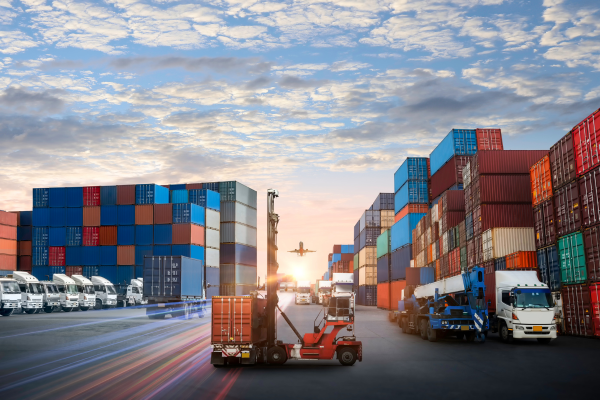
Indian Railways has begun operating four freight trains that follow fixed schedules, similar to passenger services, to improve the reliability of cargo transport. The services were launched in August and September after working with production hubs, consumption centres, and railway zones in North India. Advertisement


These services include the Annapurna Service from Ludhiana to Varanasi transporting food grains over 704 kilometres in about 17 hours, the Gati-Vahan Service from Farrukhnagar (Haryana) to Lucknow for automobiles covering 557 km in 28 hours, a large drop from earlier transit times; the Niryaat Cargo Service from Garhi to Mundra Port for containers covering 1,061 km in 32 hours; and the Anantnag Cement Cargo Service from Roopnagar (Punjab) to Anantnag transporting cement over 586 km in 31 hours.
The decision follows consultations with stakeholders such as the Food Corporation of India, automobile operators, container train operators and neighbouring railway zones. During trial runs, feedback showed better coordination with ports, improved scheduling, and faster unloading and delivery.
With scheduled timings and advance information on train arrivals and departures, these services are meant to help both senders and receivers plan better. Shippers now use the timing information to arrange trucks, labour, and storage more efficiently.
A recent change in a railway land leasing policy allows vacant railway land to be used for sorting, grading, packaging and labelling units. This will support more e-commerce cargo movement through Indian Railways, responding to demand outside just traditional bulk goods.

5th Jun, 2025

25th May, 2023

11th May, 2023

27th Apr, 2023
Advertisement








 Facebook
 Whatsapp
