Advertisement








When should a housing society in Mumbai start considering re...
From GST on JDAs to SEBI’s REIT reclassification and the S...
Stay ahead in the world of real estate with our daily podcas...
Stay ahead in the world of real estate with our daily podcas...
Prime Minister Shri Narendra Modi has called the new GST reforms, launched during Navaratri, a major step towards simplifying taxation, boosting domestic manufacturing, and strengthening India's economy. He said the reforms, along with earlier income tax changes raising exemptions to INR 12 lakh, will create savings of around INR 2.5 lakh crore for citizens. Modi urged people to embrace swadeshi products, stressing that local manufacturing supports national prosperity. The revised GST rates reduce costs across key sectors, with most goods now taxed at 5% or 18%, making essentials and everyday items cheaper. The reforms, he said, represent a "savings festival" for households, traders, and MSMEs alike.
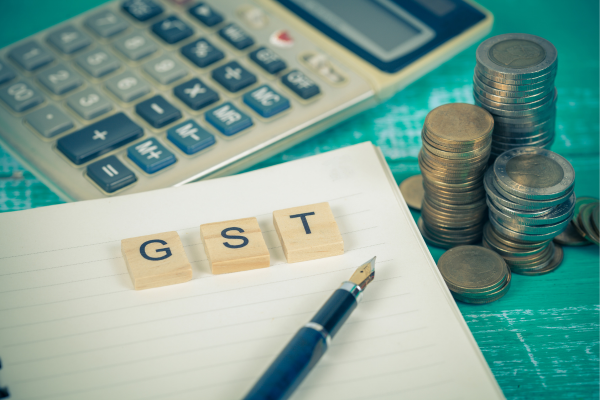
Prime Minister Shri Narendra Modi stated that the new GST reforms, launched during Navaratri, represent an important step towards simplifying taxation, supporting domestic manufacturing, and strengthening India's economy. He emphasized that promoting swadeshi products will contribute to national prosperity, similar to how local efforts powered India's freedom movement. Advertisement


He encouraged citizens to embrace domestically produced goods in their homes and shops, noting that doing so can contribute to a stronger economy. Modi explained that these reforms, combined with earlier income tax changes increasing annual exemptions to INR 12 lakh, create a "double benefit" for citizens by lowering expenses and increasing savings, estimating total savings around INR 2.5 lakh crore.
The prime minister urged state governments to boost manufacturing and create environments favorable to investment, stressing that coordinated action between the Centre and states is essential for achieving a self-reliant India. He called on citizens to take pride in buying and selling made-in-India products, noting that this practice could accelerate the country's overall development.
Modi highlighted that the revised GST rates align with the government's citizen-first approach, aiming to reduce prices of everyday items and lower costs in sectors such as construction and healthcare. He described the start of GST reforms as a "savings festival" benefiting all segments of society, including the poor, middle class, youth, farmers, women, traders, and shopkeepers.
He recalled India's 2017 GST reform, which introduced the "one nation-one tax" principle, replacing a complex system of multiple taxes and tolls that burdened both businesses and consumers. MSMEs are expected to benefit significantly, and Modi emphasized the role of local manufacturing in restoring India's economic strength.
The prime minister also encouraged citizens to be aware of product origins, noting that foreign-made items have often become part of daily life unknowingly. He urged people to proudly state that they buy or sell swadeshi products. The government welcomed businesses that passed the benefits of reduced tax rates to consumers.
Under the new GST system, most goods and services are taxed at either 5 or 18 per cent. Ultra-luxury items attract 40 per cent tax, while tobacco products remain in the 28 per cent plus cess category. Items like food, medicines, soap, toothpaste, health and life insurance now attract either no tax or only 5 per cent. Nearly 99 per cent of items previously taxed at 12 per cent now fall under the 5 per cent slab.
These reforms simplify decades of complicated taxation that had created challenges for citizens and traders. Modi cited an example from early in his tenure where transporting goods within India was more complicated than exporting them due to multiple taxes, underlining the need for streamlined GST.
From kitchen staples to electronics, medicines, and automobiles, goods and services across nearly 375 items have become more affordable. Items such as ghee, paneer, butter, dry fruits, coffee, ice cream, televisions, air conditioners, and washing machines are now cheaper for consumers.
Source PTI

5th Jun, 2025

25th May, 2023

11th May, 2023

27th Apr, 2023
Advertisement








 Facebook
 Whatsapp
