Advertisement








When should a housing society in Mumbai start considering re...
From GST on JDAs to SEBI’s REIT reclassification and the S...
Stay ahead in the world of real estate with our daily podcas...
Stay ahead in the world of real estate with our daily podcas...
In a major move to combat groundwater depletion, the Uttar Pradesh government is expanding its rainwater harvesting programme under the 'Catch the Rain 2025' campaign. Building on the success of earlier efforts on 34,000 buildings, the new phase targets an additional 2.35 lakh government and semi-government structures. Led by the Jal Shakti Department, the initiative involves close coordination across districts and urban agencies. Sixteen districts have already achieved full coverage. Beyond infrastructure, the campaign aims for long-term water conservation by recharging aquifers. Regular monitoring ensures quality and accountability. This marks a shift toward sustainable water management in urban and peri-urban UP.
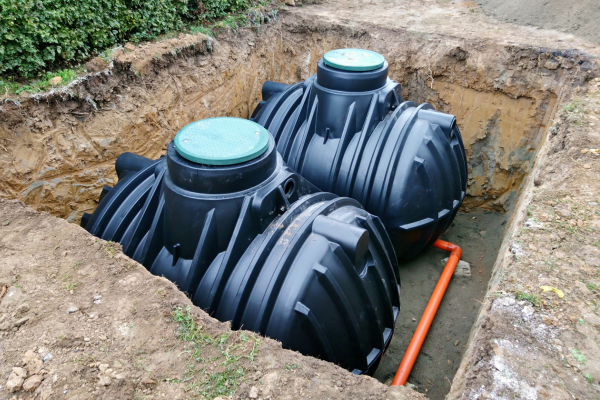
In a decisive step to address groundwater depletion and urban water stress, the Uttar Pradesh government has expanded its rainwater harvesting programme under the nationwide 'Catch the Rain 2025' campaign. After equipping over 34,000 government and semi-government buildings with rooftop harvesting systems in the earlier phase, the state has now set an ambitious target of covering an additional 2.35 lakh buildings. Advertisement


This large-scale initiative is being actively coordinated by the state's Jal Shakti Department. According to officials, the campaign is being implemented through a joint effort involving district administrations, housing development authorities, and urban local bodies. Each body has been assigned specific targets to ensure structured progress and timely completion.
Sixteen districts including Ayodhya, Ambedkar Nagar, Barabanki, Sultanpur, Amethi, Gonda, Balrampur, Bahraich, Shravasti, Basti, Sant Kabir Nagar, Siddharthnagar, Azamgarh, Ballia, Jhansi, and Pilibhit have already completed installations in all designated government and semi-government buildings. These achievements indicate strong administrative coordination and local-level execution.
Officials involved in the project said that the current phase is not just about infrastructure but also about addressing long-term water conservation. With groundwater levels declining steadily in many parts of the state, particularly in urban and peri-urban zones, this initiative focuses on redirecting rainwater back into aquifers to ensure sustainable water availability.
The campaign is being tracked through regular district-level monitoring and inter-departmental reporting, ensuring accountability and adherence to quality standards. Previous experience from the earlier phase where rainwater harvesting systems showed measurable impact on improving local water tables has strengthened the case for this expansion.
Historically, rainwater harvesting in UP was concentrated in rural areas and often limited in scale. This drive marks a major policy shift in adopting decentralised water recharge solutions across public infrastructure in both urban and semi-urban landscapes. The government views this as a long-term investment in water security, not just a seasonal campaign.

5th Jun, 2025

25th May, 2023

11th May, 2023

27th Apr, 2023
Advertisement








 Facebook
 Whatsapp
