Advertisement








When should a housing society in Mumbai start considering re...
From GST on JDAs to SEBI’s REIT reclassification and the S...
Stay ahead in the world of real estate with our daily podcas...
Stay ahead in the world of real estate with our daily podcas...
Chandigarh's administration has recently reclaimed nearly 50 acres of government land previously occupied by slums, informal colonies, and markets. These clearances, which displaced thousands, aim to unlock the stalled third phase of the city's master-plan. Concurrently, a purpose-built bulk market and infrastructure upgrades highlight efforts to modernize urban governance. These initiatives build on Chandigarh's legacy as a planned city and reflect its ambition to emerge as a model smart, green, and knowledge-driven hub under the broader vision for national development.
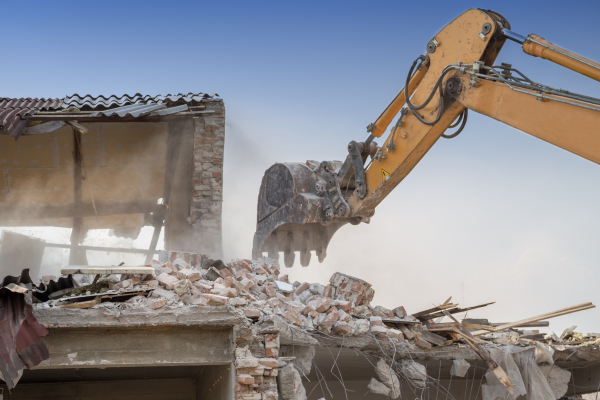
Chandigarh's push to remove encroachments has accelerated dramatically. In the past six months, residential clusters like Sanjay Colony, Janta Colony, and Adarsh Colony as well as unauthorised markets have been dismantled. This has freed up around 50-acres of valuable land, which had been hindering the city's long-delayed third phase of development. Advertisement


Reclaimed land will be transformed into industrial plots, residential zones, civic facilities, green belts and even railway infrastructure. A senior official said these efforts will finally make way for infrastructural projects that were stalled due to lack of land. In April, Sanjay Colony was cleared, in May Janta Colony followed; most recently, Adarsh Colony, along with land from an informal religious site, was reclaimed - making ready the groundwork for the third phase. The city has also moved to demolish the furniture market to reclaim another 15 acres for phase-3 development.
A new planned Bulk Market in Sector 56 focused on furniture, marble, and construction materials is expected to open by October. It spans over 55 acres and includes auction-based allocation of plots upon receiving environment clearance. This is intended as a structured replacement for informal hubs, though the tender for EC consultancy is being reissued due to low bids.
The demolition of the iconic furniture market underlines rising tensions. With heavy police presence, 116 shops were razed; small-scale traders report losses and lack of relocation options. Opposition parties have criticised the move as abrupt and urged better compensation and rehabilitation, suggesting the Sector 56 market as a relocation site.
These developments dovetail with wider efforts to position Chandigarh as a modern, green, and knowledge-driven city. The UT administrator recently highlighted achievements in green mobility, energy-efficient infrastructure, electricity privatisation, skill building, and women's participation all aligning with broader national development goals. Meanwhile, the union minister inaugurated educational infrastructure and solar projects contributing to the city's reputation as a smart-governance pioneer.
Chandigarh's transformation builds on its reputation as one of India's most successful planned cities designed by Le-Corbusier and known for high per-capita income, strong human development indicators, and UNESCO-listed heritage. But critics argue that slum clearance often overlooks residents needs; globally, slum upgrading is favoured over forced removals to avoid displacement without support.

5th Jun, 2025

25th May, 2023

11th May, 2023

27th Apr, 2023
Advertisement








 Facebook
 Whatsapp
