Advertisement








When should a housing society in Mumbai start considering re...
From GST on JDAs to SEBI’s REIT reclassification and the S...
Stay ahead in the world of real estate with our daily podcas...
Stay ahead in the world of real estate with our daily podcas...
The Supreme Court has issued strict orders to curb unauthorized construction in Chandni Chowk in Delhi, directing police to arrest violators and enforce demolition orders where no legal stay exists. Patrolling teams must now actively prevent illegal building work, while residential properties are barred from commercial conversion. The court warned against collusion between builders and municipal officials, citing a case where an elderly woman's home was affected by illegal construction. The Delhi Police commissioner and local DCP must submit a compliance report. Petitioners may also submit videos or photos of violations, enhancing oversight. These directives reinforce an earlier court order issued in May.
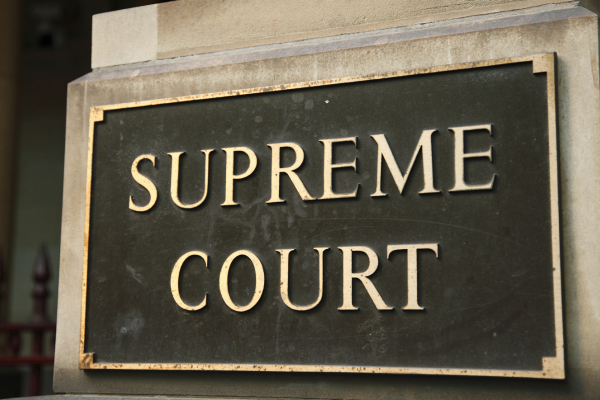
The Supreme Court recently issued a firm directive to curb unauthorized construction activities prevalent in Delhi's historic Chandni Chowk, despite an existing prohibition on such developments. The apex court explicitly instructed the Delhi Police to apprehend any individual implicated in these illegal activities, even those contributing minimally to the construction. Furthermore, the court mandated the deployment of patrolling units to actively halt illicit building work and seal properties found in violation. Advertisement


The bench, comprising Justices Surya Kant and Joymalya Bagchi, directed the Delhi Police commissioner to ensure comprehensive compliance with all demolition orders issued by the Municipal Corporation of Delhi (MCD) where no judicial stay is in effect. A detailed compliance report from the local Deputy Commissioner of Police (DCP) is required for the upcoming hearing. The court additionally emphasized that residential properties must not be converted for commercial use and issued a strong caution against any collaborative actions between builders and municipal corporation officials, indicating that serious punitive measures would be taken against such collusion.
The Supreme Court highlighted a specific instance where the ground-floor residential property of an elderly woman was adversely affected due to a builder illegally transforming the second floor into a commercial space, an activity that has reportedly been ongoing since 2022. The court expressed strong disapproval of the Municipal Corporation of Delhi's inaction on this matter until a specific court order was issued. Authorities have since been instructed to provide comprehensive details of the builder involved to facilitate appropriate penal action.
This recent directive from the Supreme Court reinforces an earlier instruction issued on May 23, when the top court had already called upon the Delhi Commissioner of Police to deploy a dedicated team in Chandni Chowk to counter illegal construction. This earlier action was prompted by information indicating that unauthorized building activities were continuing despite an existing stay order on commercial complexes and the demolition of residential buildings in the Fatehpuri area.
The court has also granted permission to petitioners and intervenors to record videos or photograph sites where illegal construction is occurring, aiming to enhance transparency and enforcement. The ongoing plea that led to these stringent orders was filed by a petitioner-in-person, alleging widespread illegal construction in complicity with civic authorities.

5th Jun, 2025

25th May, 2023

11th May, 2023

27th Apr, 2023
Advertisement








 Facebook
 Whatsapp
