Advertisement








When should a housing society in Mumbai start considering re...
From GST on JDAs to SEBI’s REIT reclassification and the S...
Stay ahead in the world of real estate with our daily podcas...
Stay ahead in the world of real estate with our daily podcas...
Delhi NCR's residential market is undergoing a structural shift, as demand for high-rise, self-contained ecosystems sees notable growth. Vertical living is driving up both average unit prices and project configurations, with a 56% surge in ticket sizes in H1 FY2025-from INR 92 lakh to INR 1.45 crore-marking the highest jump among India's top cities. Sales volumes, average per sq. ft rates, and luxury launches have simultaneously risen. Infrastructure projects such as Dwarka Expressway, Jewar Airport, and the Delhi-Meerut RRTS are reshaping the real estate narrative, fuelling the transition toward smarter, vertical communities.
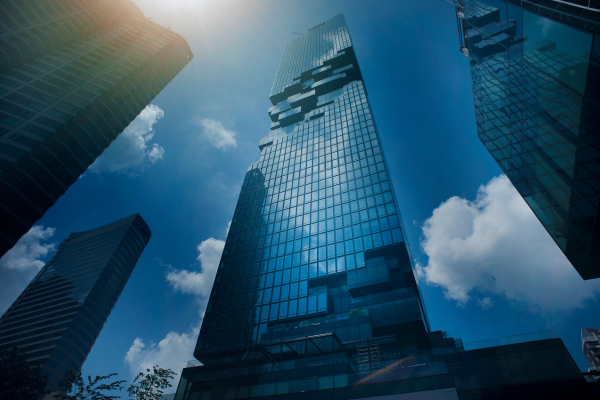
A pronounced transformation is taking place in Delhi NCR's real estate landscape, as homebuyers increasingly prefer vertical, self-sufficient living ecosystems over traditional plotted developments. These high-rise townships integrate residential spaces with lifestyle amenities, commercial infrastructure, and enhanced connectivity. This shift has led to a 56% increase in average ticket sizes in H1 FY2025, from INR 92 lakh to INR 1.45 crore, according to data released by Anarock-an uptick that outpaced all other top seven Indian cities. Advertisement


The upward momentum is further evident in the region's housing performance. Residential sales in Q1 FY2025 reached 11,221 units, representing a 10% growth from the previous quarter. Additionally, in Q4 FY2024, the average price per square foot in NCR rose by 31% year-on-year to INR 11,993, the steepest jump among India?s eight major urban markets. This was complemented by a nearly 5% annual drop in unsold inventory, indicating consistent absorption.
The growth is underpinned by a rise in luxury housing. In H1 FY2024, luxury projects comprised 26% of all new residential launches, more than double the proportion from the year before. Delhi NCR contributed 64% of the luxury supply among top seven Indian cities, affirming its dominance in the premium residential category.
Infrastructure upgrades have played a pivotal role in altering the region's real estate orientation. The Dwarka Expressway has emerged as a model corridor for vertical living, with average property prices along the stretch rising over 40% year-on-year-from INR 12,500 to INR 17,500 per sq. ft. Areas such as Sectors 102-113 in Gurugram have seen an influx of high-rise developments, spurred by better connectivity and modernised inventory.
To the east, momentum is centred around the upcoming Jewar International Airport. Developers have been actively acquiring plots along the Noida-Yamuna Expressway corridor to launch high-rise and mixed-use projects. The Delhi-Meerut Regional Rapid Transit System (RRTS), which now operates up to Meerut South, has significantly reduced travel times. With over 5 million riders recorded in December 2024 alone, the RRTS has sparked vertical development around stations in Modipuram, Partapur, and Duhai in Ghaziabad.
Real estate analysts believe this shift in housing patterns reflects a change in buyer psychology. Increasingly, homeowners are turning to vertically integrated environments offering walkability, convenience, and modern infrastructure-marking a departure from standalone or low-rise plots.
In response, developers are tailoring their projects to meet new expectations. With a focus on green certifications, wellness facilities, and secure living, builders are crafting "mini cities in the sky." The trend is not speculative, as rising ticket sizes and faster inventory turnover validate market demand.
Rajat Khandelwal, Group CEO at Tribeca Developers, explained that their focus had always been on intelligent design and superior living, highlighting that homes with more open sides, natural light, and flexible layouts are gaining favour. He pointed to private elevators, dedicated access, and column-free layouts as redefining elements of new luxury homes.
Echoing this vision, Vineet Dawar, President - Sales & Strategy at Elan Group, remarked that future urban living would depend on high-rises evolving into holistic communities. Dawar mentioned that their project, Elan The Emperor, was designed with integrated luxury homes, retail, wellness, green spaces, and sustainable infrastructure all within a single development.
Ashish Jerath, President - Sales & Marketing at Smartworld Developers, observed that today's high-rises offer more than architectural stature-they encapsulate modern aspirations. He stated that the focus had moved from carpet area to experience-led living, encompassing everything from green zones and co-working areas to healthcare proximity and integrated utilities.
The momentum behind vertical living is not merely a trend-it mirrors a generational shift in what urban Indians value in their homes. With infrastructure pushing the boundaries of accessible real estate and developers innovating with consumer-centric designs, high-rise ecosystems are reshaping how the region conceives of community, luxury, and everyday life.

5th Jun, 2025

25th May, 2023

11th May, 2023

27th Apr, 2023
Advertisement







 Facebook
 Whatsapp
