Advertisement










Private equity has played a significant role in shaping Indi...
In today’s real estate landscape, fitness is often treated...
In this episode of Prop Personalities, we sit down with Hars...
Luxury real estate is one of the most talked-about segments ...
Welcome to Prop Personalities by Prop News Time - a podcast ...
The Nagpur Municipal Corporation (NMC) has launched a new property tax rebate scheme designed to encourage environmentally sustainable construction across the city. This initiative provides tax discounts of up to 20% for buildings certified by the Indian Green Building Council (IGBC), reinforcing the city's efforts to tackle rising pollution and urban heat. The rebate applies in tiers, with Platinum-certified buildings receiving the highest reduction, followed by Gold and Silver levels. Property owners must apply with valid IGBC certification to avail these benefits, complementing existing incentives for eco-friendly building features such as solar energy and rainwater harvesting.
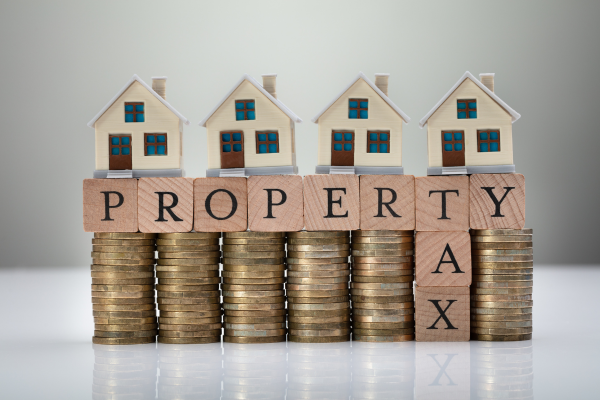
In a progressive move towards sustainable urban development, the Nagpur Municipal Corporation (NMC) has announced a property tax rebate scheme for green-certified buildings, aiming to promote eco-friendly construction practices across the city. The announcement, made earlier this week, seeks to incentivise property owners to adopt sustainable building standards certified by the Indian Green Building Council (IGBC). Advertisement


Under this newly introduced policy, buildings that achieve IGBC certification will be eligible for property tax rebates proportional to their certification level. Those awarded the Platinum certification stand to receive a 20% rebate, Gold-certified buildings will be entitled to a 17.5% discount, while Silver-certified properties can avail themselves of a 15% rebate. These benefits come in addition to an existing 10% property tax discount already provided to buildings incorporating sustainable features such as rainwater harvesting systems, solar power installations, wastewater recycling mechanisms, and organic waste composting.
To qualify for these rebates, property owners are required to submit an application to the NMC's Tax Department along with a valid Green Building Certificate issued by the IGBC. This step aims to streamline the process and ensure that only genuinely certified eco-friendly buildings benefit from the financial incentives.
This initiative forms part of a broader sustainability agenda by the NMC, which has been actively implementing various measures under its Zero Carbon Buildings Action Plan. The plan outlines multiple strategies to reduce the city's carbon footprint, including tax concessions and financial support for buildings adopting low-carbon technologies and energy-efficient designs. By encouraging the uptake of green building practices through monetary benefits, NMC is striving to create a more environmentally resilient urban landscape.
Historically, Nagpur has faced escalating challenges related to urban pollution and increasing temperatures, making the adoption of green building norms a critical necessity. The corporation's commitment to offering property tax rebates is expected to accelerate the construction of sustainable buildings, thereby reducing energy consumption, conserving water, and improving overall environmental quality within the city.
The rebate scheme is anticipated to not only motivate property developers and homeowners to prioritise green construction but also to set an example for other municipal bodies in India to follow. As cities across the country grapple with the dual pressures of urban growth and environmental degradation, Nagpur's approach highlights the role of local governance in driving sustainable urbanisation.
By encouraging green construction through tangible economic benefits, the NMC is helping foster a culture of sustainability that can significantly reduce the city's carbon emissions and mitigate the adverse effects of climate change. This approach benefits not only individual property owners but also the wider community by enhancing urban living standards and promoting a healthier, more sustainable environment for future generations.

5th Jun, 2025

25th May, 2023

11th May, 2023

27th Apr, 2023
Advertisement





 Facebook
 Whatsapp
