Advertisement










When should a housing society in Mumbai start considering re...
From GST on JDAs to SEBI’s REIT reclassification and the S...
Stay ahead in the world of real estate with our daily podcas...
Stay ahead in the world of real estate with our daily podcas...
Vienna, Austria, has gained recognition for its progressive approach to social housing, with over 60% of the city's residents living in subsidized housing. City-owned flats and cooperative apartments make up a significant portion of the housing market, and stringent rent control laws ensure that residents spend only a fraction of their income on housing. Vienna's commitment to housing as a fundamental right has resulted in aesthetically appealing homes with communal amenities, fostering economic diversity within the council estates. The city's model serves as a successful example of collaboration between public and private entities in creating affordable and liveable urban areas.
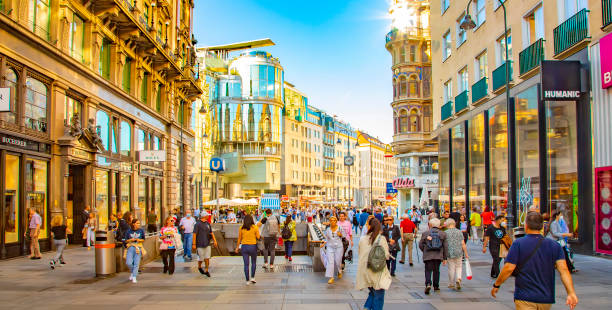
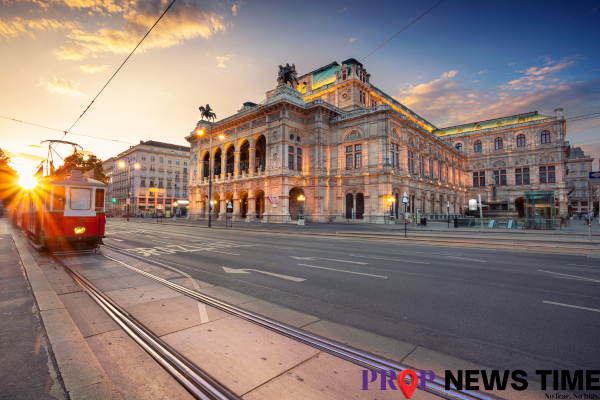
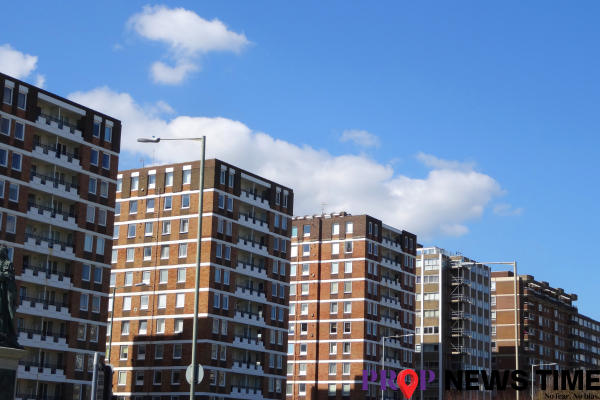
Vienna, Austria, has gained a reputation for its progressive approach to social housing, which originated in the 1920s and 30s. Presently, over 60 percent of the city's 1.8 million residents reside in subsidized housing, with city-owned flats and cooperative apartments comprising more than half of the housing market. Majority of Viennese, around 80 percent, are renters. Thanks to stringent rent control laws, they only spend 20 to 25 percent of their income on housing, and in certain cases as little as 8 percent.
Advertisement


According to Kathrin Gaal, Vienna's deputy mayor, the city's social housing policies have been developed based on the belief that housing is a fundamental right, reflecting a strong political commitment. Vienna's public and cooperative housing is aesthetically appealing and offers communal amenities such as pools and saunas. These homes are inhabited by individuals from diverse backgrounds, and even if their income increases, they are not evicted. This serves as evidence that collaboration between public and private entities can successfully result in the creation of affordable and liveable urban areas.
Vienna's council estates, known as Gemeindebauten, stand out for their exceptional quality and architectural beauty. In contrast to post-war housing projects found in cities like Paris or London, these estates are not exclusively designated for the impoverished population. Vienna's long-term approach to social housing, which includes the provision of secure contracts, fosters economic diversity within the council estates.

5th Jun, 2025

25th May, 2023

11th May, 2023

27th Apr, 2023
Advertisement








 Facebook
 Whatsapp
