Advertisement










Private equity has played a significant role in shaping Indi...
In today’s real estate landscape, fitness is often treated...
In this episode of Prop Personalities, we sit down with Hars...
Luxury real estate is one of the most talked-about segments ...
Welcome to Prop Personalities by Prop News Time - a podcast ...
The Ramjal Setu Link Project is a vital infrastructure initiative in Rajasthan, aimed at building a bridge over the Chambal River to connect Kota and Sawai Madhopur. As part of the broader INR 1,500 crore Chambal River Link Project, it serves dual purposes: improving transport connectivity and enabling water transfer to drought-prone areas. Overseen by the Rajasthan Water Resources Department and aligned with the National Water Development Agency's river interlinking programme, the bridge offers an all-weather route, reduces monsoon disruptions, and enhances access to markets, healthcare, and education. It also supports equitable water distribution, rural development, and long-term regional growth in Rajasthan.
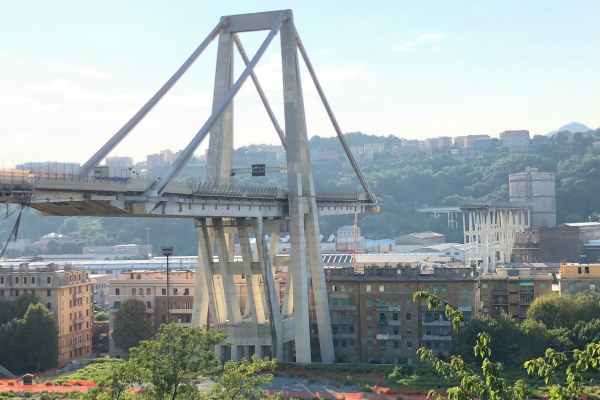
The Ramjal Setu Link Project stands as a crucial infrastructure venture in Rajasthan, focused on erecting the Ramjal Setu bridge across the Chambal River to establish a direct connection between the districts of Kota and Sawai Madhopur. This development is integral to the wider Chambal River Link Project, designed to divert surplus water from the Chambal River to water-scarce areas within the state, thereby addressing Rajasthan's chronic issues with water shortage. Advertisement


Overseen by the Rajasthan Water Resources Department and synchronised with the National Water Development Agency's (NWDA) river interlinking programme, the initiative merges efficient water resource management with improved transport connectivity. The new bridge provides an all-weather route, significantly cutting down travel time and mitigating disruptions commonly caused by monsoon-induced flooding. This enhanced accessibility facilitates easier movement to major economic centres, markets, and critical services such as healthcare and education.
Rajasthan's predominantly arid climate and heavy dependence on groundwater exacerbate its water scarcity challenges. By enabling the flow of Chambal River water into drought-prone regions, the project aims to balance water distribution more equitably, reducing reliance on inconsistent monsoon rains. Historically, the Chambal River has caused frequent road interruptions during monsoon months, isolating communities and obstructing commerce. The construction of Ramjal Setu addresses these issues by ensuring a stable crossing throughout the year.
The project also targets rural areas of Kota and Sawai Madhopur, where inadequate infrastructure has hindered economic advancement. By enhancing connectivity and resource availability, Ramjal Setu opens the door for investment and sustainable development in these regions. The bridge forms part of the extensive 220 km Chambal River Link Project, which connects the Chambal River to other water bodies across Rajasthan to facilitate water transfer and bolster regional water security.
The Rajasthan Water Resources Department estimates the cost of the Chambal River Link Project, inclusive of Ramjal Setu, at INR 1,500 crore. Primarily funded by the Rajasthan state government, the project may also receive financial support through central government schemes linked to the NWDA or other water development initiatives.
Conceived under the NWDA's river interlinking scheme aimed at mitigating India's water scarcity challenges, the project received approval from the Rajasthan government in 2017. This marked the commencement of detailed planning and survey activities to bring the ambitious vision to fruition.
By addressing longstanding water shortages and transport bottlenecks simultaneously, it paves the way for socio-economic upliftment, particularly in rural districts. The project's potential to attract investment and foster regional growth could transform the livelihoods of many, establishing a sustainable model of resource distribution coupled with enhanced connectivity. This dual focus on infrastructure and water security highlights the importance of comprehensive planning in addressing complex regional challenges in Rajasthan.

5th Jun, 2025

25th May, 2023

11th May, 2023

27th Apr, 2023
Advertisement





 Facebook
 Whatsapp
