Advertisement








When should a housing society in Mumbai start considering re...
From GST on JDAs to SEBI’s REIT reclassification and the S...
Stay ahead in the world of real estate with our daily podcas...
Stay ahead in the world of real estate with our daily podcas...
The Mumbai Metropolitan Region Development Authority (MMRDA) has introduced a comprehensive action plan aimed at maintaining uninterrupted Metro services and safeguarding infrastructure works across the MMR during the monsoon season. Key initiatives include a 24x7 Disaster Control Room, enhanced safety and surveillance systems, and proactive inspections of Metro infrastructure to address rain-related challenges. Measures such as sealing train roofs, inspecting drainage, and deploying emergency teams have also been implemented. The authority has also prioritised rapid response protocols, including CCTV surveillance and flood-level tracking, to ensure commuter safety during emergencies.
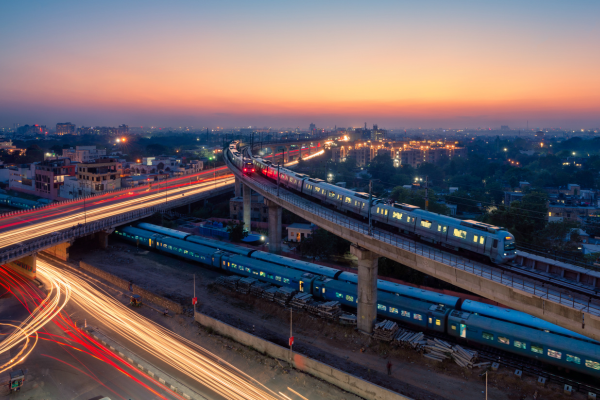
The Mumbai Metropolitan Region Development Authority (MMRDA) has implemented a comprehensive action plan to guarantee the safety of infrastructure development projects being undertaken throughout the Mumbai Metropolitan Region and the uninterrupted operation of the Metro network during the monsoon. Advertisement


As part of its major initiatives, MMRDA has activated a round-the-clock Disaster Control Room designed to serve as a nerve centre for complaint registration and real-time coordination with bodies such as the Brihanmumbai Municipal Corporation, the State Emergency Response Team, and the police. This control room is also geared to coordinate with site engineers and labours, offering real-time intervention in case of any disruptions or incidents.
MMRDA officials indicated that the plan incorporates both technology and manpower. To that end, safety measures have been strengthened at various Metro construction sites. Measures such as sealing train roofs, fixing leakages, inspecting lighting and power systems, and readying UPS systems and water pumps have been undertaken. These measures, aimed at mitigating monsoon-related damage, have already been rolled out at multiple locations.
In terms of passenger safety and operational efficiency, MMRDA has installed wind barriers and initiated fogging operations to prevent mosquito breeding in stagnant waters. For the 35-km long Metro Lines 2A and 7, the authority has completed a comprehensive monsoon preparedness drive. This has included the inspection of all 314 metro trains to check for roof integrity and rainwater leakages.
Additionally, the Charhop depot has been equipped with a system to monitor Metro coaches for shifts during heavy rains. This comes in response to past experiences where track alignment had been disrupted due to water logging and shifting infrastructure.
The MMRDA has also deployed a set of emergency vehicles, advanced tools, and technical support to accelerate response times during incidents. It has confirmed that electricity maintenance tools and backup supply equipment have already been deployed at vulnerable sites in anticipation of potential monsoon power disruptions.
To further ensure commuter safety and reduce response time, technical CCTV cameras have been installed along Metro tracks, supported by a digital control room for real-time monitoring. Emergency vehicles with sirens have also been placed on standby for quick access during flooding incidents. Additionally, a special route for reaching the BKC Disaster Management team has been set up for any required intervention during emergencies, an MMRDA official stated.
By leveraging a combination of real-time surveillance, rapid response systems, and inter-agency coordination, the authority has moved to mitigate the adverse impact of the monsoon on Mumbai?s transit network. With historic flooding and past disruptions in mind, the new framework is designed to instil confidence among commuters while ensuring that urban development projects stay on track despite seasonal challenges.

5th Jun, 2025

25th May, 2023

11th May, 2023

27th Apr, 2023
Advertisement








 Facebook
 Whatsapp
