Advertisement








When should a housing society in Mumbai start considering re...
From GST on JDAs to SEBI’s REIT reclassification and the S...
Stay ahead in the world of real estate with our daily podcas...
Stay ahead in the world of real estate with our daily podcas...
In an effort to combat growing vehicular congestion across Maharashtra, the State Transport Department has initiated work on a comprehensive parking policy. The proposed framework is expected to mandate vehicle buyers to show proof of available parking space before registration. Discussions were recently held between Transport Minister Pratap Sarnaik, officials from the Mumbai Metropolitan Region Development Authority (MMRDA), municipal corporations, and senior transport authorities to shape this initiative. The state has also directed municipal bodies to utilise government-owned public spaces for parking to alleviate the burden on city infrastructure.
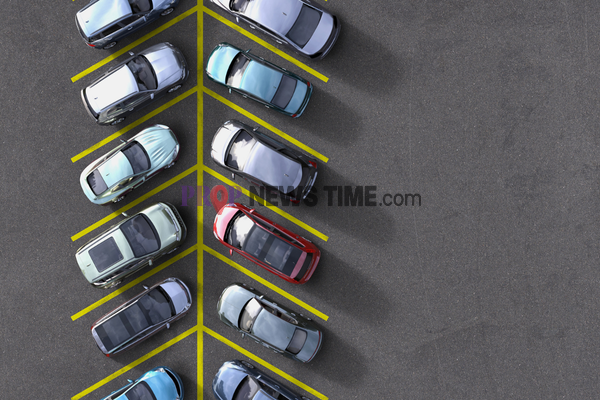
In response to the escalating issue of vehicular congestion across Maharashtra, the State Transport Department has begun formulating an integrated parking policy aimed at requiring new vehicle buyers to provide proof of a designated parking space prior to purchase. Advertisement


State Transport Minister Pratap Sarnaik recently held a meeting with representatives from the Mumbai Metropolitan Region Development Authority (MMRDA), key municipal commissioners, and senior transport officials to deliberate on the proposed parking framework.
The State government has instructed municipal corporations to identify and use government-owned public grounds and open plots to facilitate parking arrangements. Each municipal corporation has been tasked with developing a localised parking plan that includes both on-street and off-street options such as plots and grounds. Moreover, authorities are expected to compile data on vehicle owners lacking parking spaces within their premises to better inform policy execution.
According to sources from the Maharashtra Transport Commissioner?s office, discussions with a range of stakeholders have been progressing. These consultations are reportedly vital to shaping a policy that is both inclusive and practical.
This new policy is likely to be piloted in Mumbai before a potential statewide rollout. Authorities view this as a crucial measure, especially in cities like Mumbai, where parking shortages contribute significantly to traffic snarls.
Maharashtra Chief Minister Eknath Shinde had earlier indicated that the government was committed to adopting structured policy steps aimed at reducing congestion across key urban pockets in the State.
By placing the onus on vehicle buyers to demonstrate access to parking and urging civic bodies to utilise public land, the State is steering toward a long-term solution. If successfully implemented, this policy could set a precedent for other metropolitan regions facing similar urban planning challenges. It reflects a strategic shift from reactive traffic management to proactive spatial planning and enforcement.

5th Jun, 2025

25th May, 2023

11th May, 2023

27th Apr, 2023
Advertisement








 Facebook
 Whatsapp
