Advertisement










When should a housing society in Mumbai start considering re...
From GST on JDAs to SEBI’s REIT reclassification and the S...
Stay ahead in the world of real estate with our daily podcas...
Stay ahead in the world of real estate with our daily podcas...
The Moscow Metro, one of the globe's most expansive and busiest urban rail systems, has celebrated its 90th anniversary with commemorative exhibitions and substantial advancements in digital infrastructure. Since its inception in 1935, the metro has grown from a modest 13-station line to an extensive 550-kilometre network comprising 302 stations and catering to over 8 million daily commuters. The anniversary was marked by tributes to the network's history, as well as acknowledgements of its continued modernisation, including new train models, smart ticketing, and biometric payment systems. The Metro carried 2.7 billion passengers in 2024 alone, demonstrating its enduring relevance.
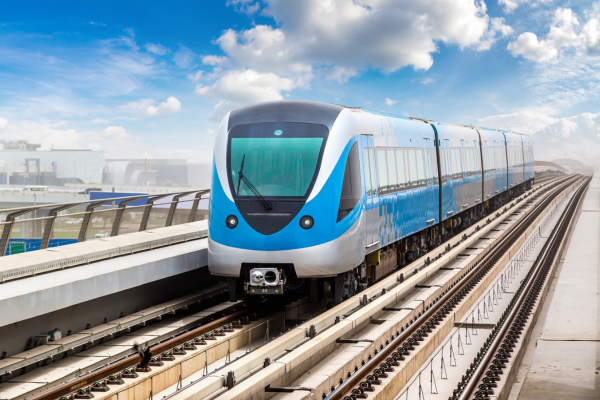
Celebrating nine decades since its inception, the Moscow Metro founded in 1935 has emerged as one of the largest and most reliable urban transit systems worldwide. It now spans more than 550 kilometres and includes 302 stations, serving in excess of 8 million passenger journeys on an average weekday. Advertisement


Commemorations held in the past week recognised this milestone with historical exhibitions and public displays that offered a glimpse into the system's evolution. Among the highlights were restored early-generation train models and archival documents charting the Metro's transformation over time.
The Deputy Mayor of Moscow for Transport and Industry, Maksim Liksutov, remarked that the Metro's inauguration had been a landmark moment for both the capital and the country. He noted that even in those early years, engineers and workers had established high standards of passenger service. He added that, under the direction of Moscow Mayor Sergey Sobyanin, those standards continue to be upheld. Liksutov emphasised the role of more than 65,000 Metro employees in maintaining operational excellence and earning the daily trust of millions of Muscovites, and he extended gratitude for their commitment and professionalism.
Having started with just a single 11.5-kilometre line and 13 stations, the Metro has undergone decades of expansion. In 2024 alone, it transported an impressive 2.7 billion passengers, reaffirming its status as a key pillar of Moscow's public transport network.
Modernisation remains a continuous endeavour. Presently, over 75% of the trains operating on the network are newly developed models that incorporate advanced features such as open gangways, automated speed regulation, and upgraded safety systems. These innovations facilitate rapid service frequency, with intervals shrinking to as little as 90 seconds during peak commuting periods.
The Metro has also embraced digital transformation in fare collection. Smart cards, virtual tickets, and biometric payment systems have been widely adopted and are now integral to most daily commutes. These upgrades have improved both the speed and convenience of passenger flow.
As cities around the world grapple with growing populations and the demand for sustainable mobility, the Metro offers a compelling model of how to combine tradition with progress, ensuring public transit remains both functional and future-ready.
Source - PTI

5th Jun, 2025

25th May, 2023

11th May, 2023

27th Apr, 2023
Advertisement








 Facebook
 Whatsapp
