Advertisement










Private equity has played a significant role in shaping Indi...
In today’s real estate landscape, fitness is often treated...
In this episode of Prop Personalities, we sit down with Hars...
Luxury real estate is one of the most talked-about segments ...
Welcome to Prop Personalities by Prop News Time - a podcast ...
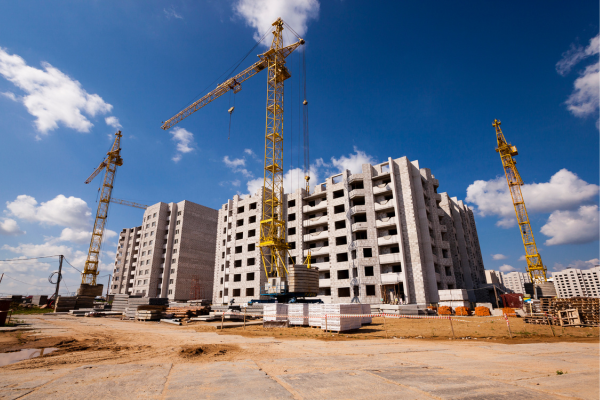
Mumbai, once known as Bombay, is a city of rich cultural heritage and boundless ambition. Over time, rapid urban expansion, population density, and outdated infrastructure have strained its livability. However, brownfield redevelopment projects offer a promising solution. These projects not only improve individual living spaces but enhance local communities, boost economic growth, and create vibrant, sustainable environments. Combined with transformative infrastructure projects like Metro Line 3 and the Coastal Road, brownfield initiatives could help Mumbai navigate its growth challenges, while ensuring the city remains dynamic and inclusive for future generations.
Mumbai, historically known as Bombay, has always been more than just a city it was a feeling. With its iconic sea-sprayed balconies, yellow-black taxis, art deco buildings, and bustling Irani cafes, it represented a fusion of culture, cinema, commerce, and community. This charm was a product of Bombay's rich and complex legacy, a city built from seven islands into an ambitious dream. Advertisement


Yet over time, Bombay began to fade. The relentless march of urbanisation, shrinking living spaces, and the demands of modern life took their toll. While Mumbai remains ambitious, its growth has come at the cost of livability. The city now faces the burden of its own success, where rapid migration, unchecked expansion, and overcrowded infrastructure have led to rising challenges. The concept of Mumbai as a "City of Dreams" remains alive, but its residents often find themselves living amidst crumbling buildings, poor infrastructure, and a stark divide between aspiration and reality.
Mumbai's population density remains one of the highest globally, with more than 46 lakh vehicles clogging its already congested streets. Around 40% of the population lives in slums, and much of the housing stock is outdated, unsafe, and ill-suited for the city's growing needs. In this delicate balance between legacy and lag, the key question arises: How can the soul of Bombay be preserved while building a more resilient Mumbai?
The COVID-19 pandemic has shifted our perception of space. Homes are no longer just places to return to; they have become offices, classrooms, and sanctuaries. This change in how we view urban living has elevated the demand for homes that offer better ventilation, open layouts, and sustainable design features that have evolved from luxuries to necessities.
Brownfield redevelopment could be the catalyst for Mumbai's resurgence. These projects, aimed at upgrading not just individual living spaces but entire neighbourhoods, offer significant economic and social benefits. In the post-redevelopment phase, prime properties in Mumbai see substantial increases in value, while improved infrastructure and amenities contribute to a healthier, more vibrant community.
The city's redevelopment momentum aligns well with major infrastructure projects, such as Metro Line 3 and the Coastal Road. Metro Line 3, Mumbai's first underground metro, promises to drastically reduce commute times. Meanwhile, the Coastal Road will connect South Mumbai with the western suburbs in just 40 minutes, compared to the two hours it typically takes. These projects are expected to enhance the quality of life for millions of commuters, improve property values, and significantly boost the city's overall welfare.
Brownfield projects are increasingly recognised as a more sustainable and cost-effective solution. These initiatives repurpose existing buildings, utilities, and transportation infrastructure, leading to significant cost savings. According to a 2021 World Bank study, developers can expect a 20-30% reduction in initial investments when undertaking brownfield redevelopments. These savings free up resources for critical areas such as technical infrastructure and operational efficiency, enabling faster project completion.
However, developers must navigate the regulatory challenges that brownfield projects often entail. Issues around landownership, approval delays, and bureaucratic hurdles can create significant obstacles. Furthermore, these projects can lead to the displacement of residents or businesses, necessitating clear communication and engagement with local communities, along with socio-economically inclusive development plans.
The key to success will lie in proactive governance, informed decision-making, and meaningful community engagement, ensuring Mumbai's continued growth while preserving its essence for future generations.

5th Jun, 2025

25th May, 2023

11th May, 2023

27th Apr, 2023
Advertisement





 Facebook
 Whatsapp
