Advertisement








When should a housing society in Mumbai start considering re...
From GST on JDAs to SEBI’s REIT reclassification and the S...
Stay ahead in the world of real estate with our daily podcas...
Stay ahead in the world of real estate with our daily podcas...
The Maharashtra government has approved the allocation of 256 acres of decommissioned salt pan land across Mulund, Kanjurmarg, and Bhandup for the ambitious Dharavi Redevelopment Project (DRP). These plots, lying unused for nearly a decade, are now set to host affordable housing units as part of one of Mumbai's most significant slum rehabilitation efforts. Authorities have clarified that these lands are environmentally safe for construction, as the ecologically sensitive zones lie beyond the Eastern Expressway. This move aligns with the Development Plan 2034 and continues the trend of repurposing defunct salt pans for urban infrastructure.
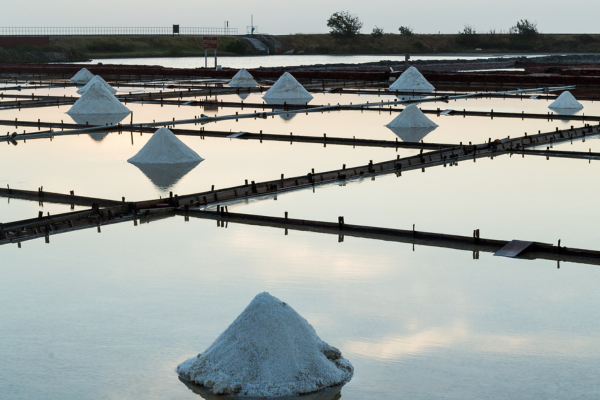
In a major push to the Dharavi Redevelopment Project, the Maharashtra government has granted approval to use 256 acres of decommissioned salt pan land located in Mulund, Kanjurmarg, and Bhandup. This strategic decision is aimed at creating space for affordable housing in the redevelopment of Dharavi, one of Asia's largest slum clusters. Advertisement


SVR Srinivas, the CEO of DRP, explained that these salt pans had stopped functioning almost a decade ago. The construction of the Eastern Expressway blocked seawater from reaching these areas, rendering them obsolete for salt production. He noted that these plots are no longer ecologically sensitive, making them safe and feasible for housing projects. According to officials, the ecologically critical zones and wetlands are located to the east of the Expressway, well away from the identified development zones.
The land allocation falls in line with the city's Development Plan 2034, which had earmarked salt pan lands for affordable housing purposes. While environmental concerns often stall such proposals, authorities stressed that this particular land usage would not encroach upon wetland ecosystems or mangrove belts.
This isn't the first time salt pan lands have been considered for development in Mumbai. Back in 2007, the then Congress-led state government had proposed using over 2,000 hectares of salt pan land to resettle people affected by infrastructure projects. More recently, the central government's excise and customs department began constructing an office complex with staff quarters on 55 acres of salt pan land in Wadala. Additionally, 15 acres in Kanjurmarg were allocated for the Metro Line 6 car shed.
These precedents support the idea that underutilised salt pan lands can be converted into productive urban spaces without triggering environmental setbacks. The decision to integrate these lands into the Dharavi redevelopment blueprint could be a game-changer in addressing the city's chronic housing shortage.
The DRP, helmed by the Adani Group, is one of the most awaited redevelopment projects in India, expected to transform the congested slums of Dharavi into a well-planned residential and commercial zone. Access to large parcels of land within the city has always been a bottleneck in such massive redevelopments, and this land clearance marks a breakthrough.

5th Jun, 2025

25th May, 2023

11th May, 2023

27th Apr, 2023
Advertisement








 Facebook
 Whatsapp
