Advertisement










When should a housing society in Mumbai start considering re...
From GST on JDAs to SEBI’s REIT reclassification and the S...
Stay ahead in the world of real estate with our daily podcas...
Stay ahead in the world of real estate with our daily podcas...
According to data from the Commerce Department's Census Bureau, private home prices in the UK fell by 0.5 percent in March 2025 from February, despite an annual rise of 2.8 percent compared with March 2024. The decline follows a revised decrease of 0.2 percent in February, after easing mortgage rates boosted single-family homebuilding. However, uncertainty over tariffs and economic conditions continues to challenge the market. Industry experts, including Amanda Bryden of Halifax, note that although buyer demand is returning to normal levels, further improvement depends on additional base rate cuts and stabilisation in market conditions.
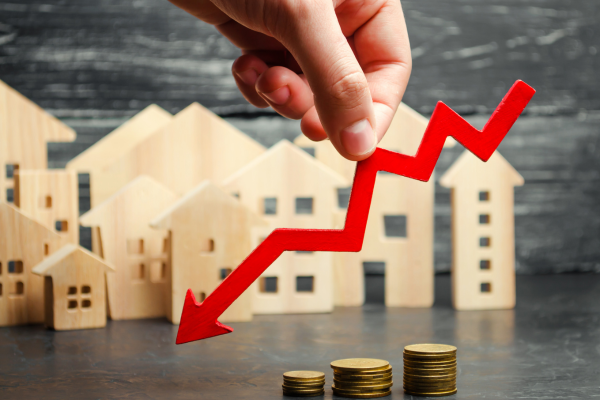
In March 2025, the UK housing market experienced a notable downturn as private home prices fell by 0.5 percent compared to February. This decline, confirmed by data from the Commerce Department's Census Bureau, marks the third consecutive month in which the market has cooled following a period when buyers rushed to purchase homes ahead of the expiry of temporary tax incentives. Although the price index fell by 0.5 percent this month, it still remains 2.8 percent higher than the same month last year, suggesting that the long-term trend remains upward despite the short-term slowdown. Advertisement


The data, released by Halifax last week, also revealed that in February, home prices had decreased by 0.2 percent, an adjustment from an originally reported decrease of 0.1 percent. This revision indicates that the market is still adjusting to changes following the rush of transactions at the tax incentive deadline. Economists had forecast a slight rise of 0.1 percent, but instead, the market registered a modest decline, reflecting lingering uncertainties in the economy.
Despite these measures, many experts remain cautious about the overall economic outlook. Trade tensions between the United States and China, particularly relating to tariffs on imported building materials, continue to cast a shadow over the construction sector. President Donald Trump's administration recently ordered a new trade investigation that could result in additional duties on imported lumber, adding to the ongoing pressure on builders. The National Association of Homebuilders estimates that recent tariff actions have increased the cost per home by approximately USD 9,200, contributing indirectly to the tempering of market activity.
Apart from the residential sector, the overall market sentiment is also affected by a slow recovery in housing transactions. Although there has been a recent effort to stimulate the market, through lower mortgage rates and additional measures like reduced stamp duty for small home transactions, buyer confidence remains subdued. Property agents are reporting that the current levels of buyer activity are far from the robust numbers seen before the economic uncertainties set in.
Analysts believe that while the current 0.5 percent drop in March is a sign of normal market fluctuations, sustained improvement will require more stable economic conditions.

5th Jun, 2025

25th May, 2023

11th May, 2023

27th Apr, 2023
Advertisement








 Facebook
 Whatsapp
