Advertisement










When should a housing society in Mumbai start considering re...
From GST on JDAs to SEBI’s REIT reclassification and the S...
Stay ahead in the world of real estate with our daily podcas...
Stay ahead in the world of real estate with our daily podcas...
The Abraj Kudai project in Mecca, Saudi Arabia, was conceived as the world's largest hotel, featuring 10,000 rooms and extensive luxury amenities. Initiated in 2015, the project has faced numerous delays due to financial difficulties, a fatal construction accident, and political upheavals involving the primary contractor, the Saudi Binladin Group. Despite these setbacks, the Saudi government continues to prioritize tourism development, with the potential completion of Abraj Kudai playing a pivotal role in accommodating the growing number of religious pilgrims.
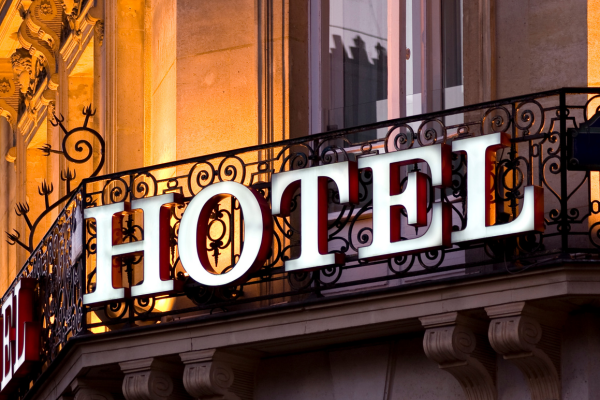
Saudi Arabia announced its ambitious plan to build the Abraj Kudai, the largest hotel in the world, in Mecca almost ten years ago. Envisioned as a monumental structure featuring 10,000 rooms, 45 stories, 70 restaurants, and four helipads, the project's progress has been marred by a series of setbacks, leaving its completion in question. Advertisement


Initiated in 2015 with an estimated investment of USD 3.5 billion, the Abraj Kudai project was poised to redefine luxury hospitality in the holy city. However, construction came to an abrupt halt the same year due to financial difficulties faced by the primary contractor, the Saudi Binladin Group (SBG). The situation was exacerbated by a tragic crane collapse at the Grand Mosque in Mecca, resulting in over 100 fatalities and leading to SBG's temporary suspension from new state contracts.
Further complications arose in 2017 when Bakr bin Laden, the chairman of SBG, was detained during an anti-corruption purge led by Crown Prince Mohammed bin Salman. Although he was later released without charges, the incident contributed to the project's prolonged stagnation.
Despite these challenges, the Saudi government remains committed to bolstering its tourism sector, aiming to attract 40 million international visitors annually by 2030. Religious tourism, particularly the Hajj pilgrimage, is expected to play a significant role in this vision, potentially generating up to USD 80 billion for the economy. In this context, the completion of Abraj Kudai could serve as a cornerstone for accommodating the influx of pilgrims seeking luxury accommodations.
Currently, Mecca hosts a range of high-end hotels, including establishments by Raffles, Movenpick, and the forthcoming Four Seasons. However, the demand for premium lodging continues to outpace supply, underscoring the potential value of completing the Abraj Kudai project.
While the future of Abraj Kudai remains uncertain, its envisioned grandeur symbolizes Saudi Arabia's broader aspirations to transform its tourism landscape. The project's fate will likely hinge on the Kingdom's ability to navigate financial constraints and political complexities in the coming years.

5th Jun, 2025

25th May, 2023

11th May, 2023

27th Apr, 2023
Advertisement








 Facebook
 Whatsapp
